
Kyrgyzstan, a small and mountainous country in Central Asia, is quickly gaining recognition as a paradise for nature lovers and anyone seeking an authentic, off-the-beaten-path travel experience.
With its stunning natural beauty and unique cultural heritage, it’s no wonder that adventurous travellers are starting to take notice. I recently visited Kyrgyzstan and absolutely loved my time there.
7 Reasons Why You Should Visit Kyrgyzstan in 2024
From majestic mountains, untouched alpine valleys, and crystal-clear lakes to a welcoming nomadic culture, Kyrgyzstan offers a truly unforgettable experience. It’s a destination where adventure awaits at every turn.
Here are seven reasons why you should visit Kyrgyzstan in 2024:
1. Majestic Mountain Landscapes
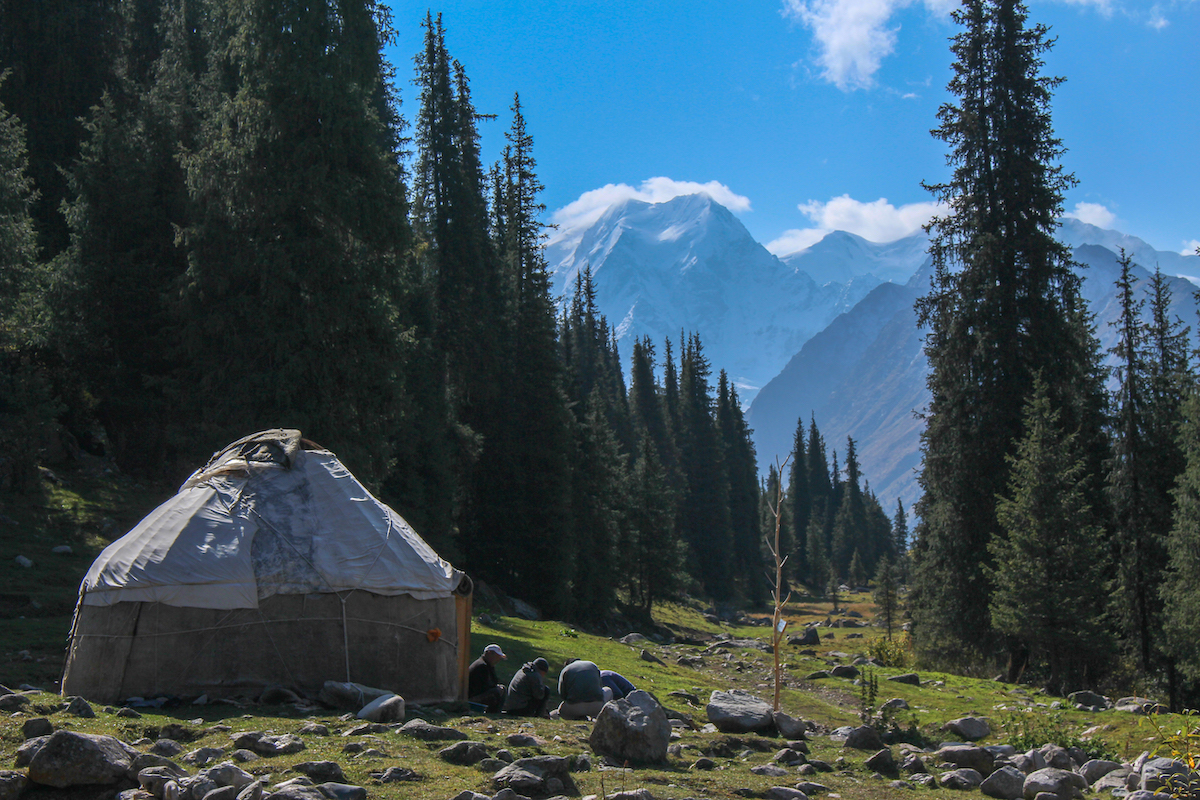
Kyrgyzstan is a country of stunning natural beauty, with over 80% of its land covered by mountains. The majestic Tian Shan range runs through the country, offering breathtaking views and endless opportunities for outdoor adventures.
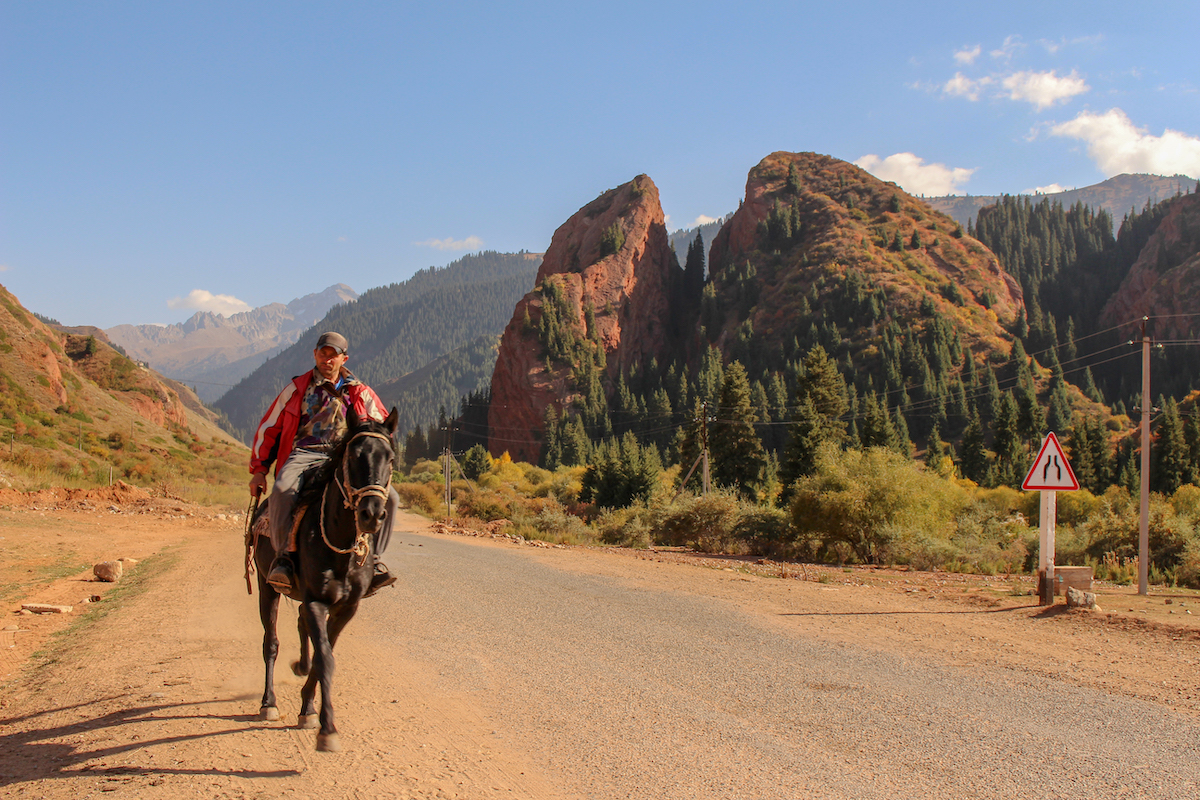
Whether you want to hike or ride horses through the mountains, camp in remote valleys, or simply soak in the serene alpine scenery, Kyrgyzstan’s mountain landscapes are truly spectacular.
And if you’re feeling extra adventurous, why not try tackling one of its many peaks?
At 7,134 metres, Lenin Peak (Pik Lenin) is the second-highest peak in Kyrgyzstan and offers an exhilarating challenge. It’s also generally regarded as one of the world’s most straightforward and accessible mountains over 7000m.
2. Rich Nomadic Traditions
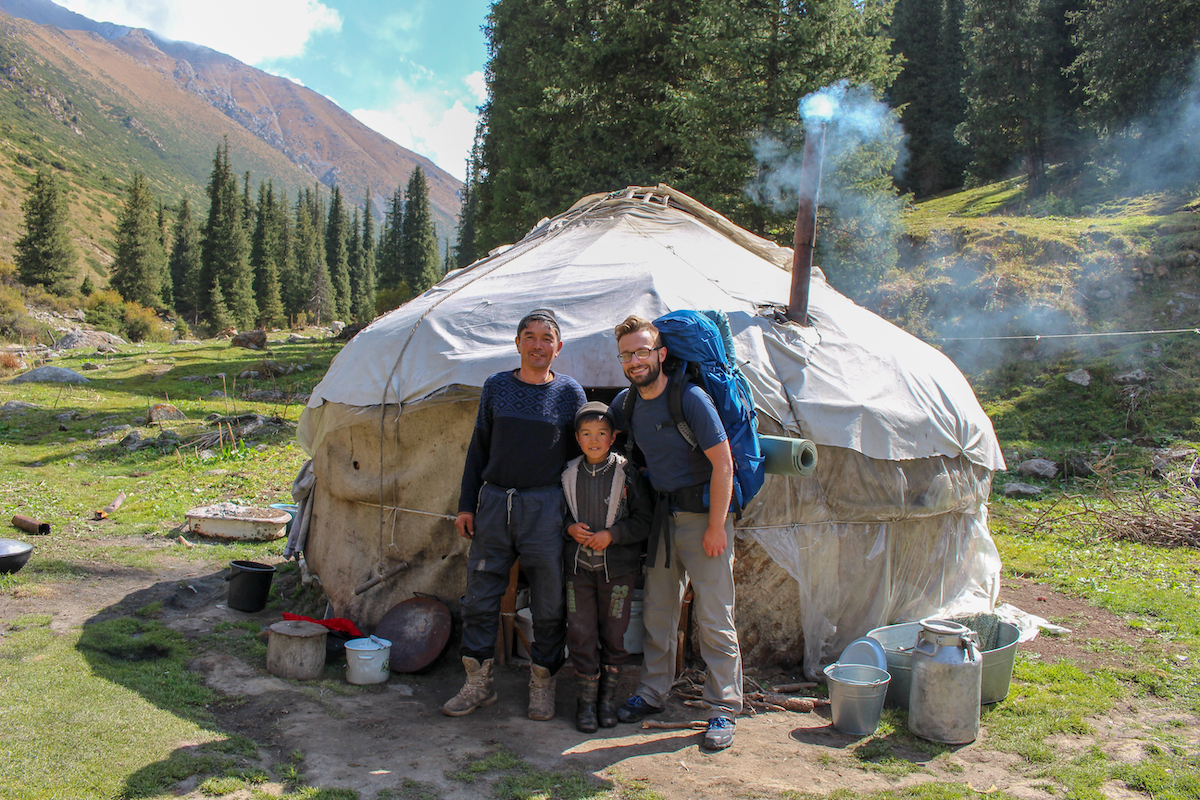
Like Kazakhstan, Kyrgyzstan has a strong nomadic tradition that still influences its culture today. And what better way to experience this heritage than by staying with a local nomadic family in a traditional yurt!
Their customs and rituals – passed down through generations – offer a glimpse into a unique and beautiful way of life, deeply connected with nature and their surroundings.
Learn how to set up and take down a yurt, cook traditional dishes like beshbarmak, and maybe even try your hand at milking a horse. Delving into the nomadic culture of this enchanting country is a unique and unforgettable experience.
3. Pristine Lakes
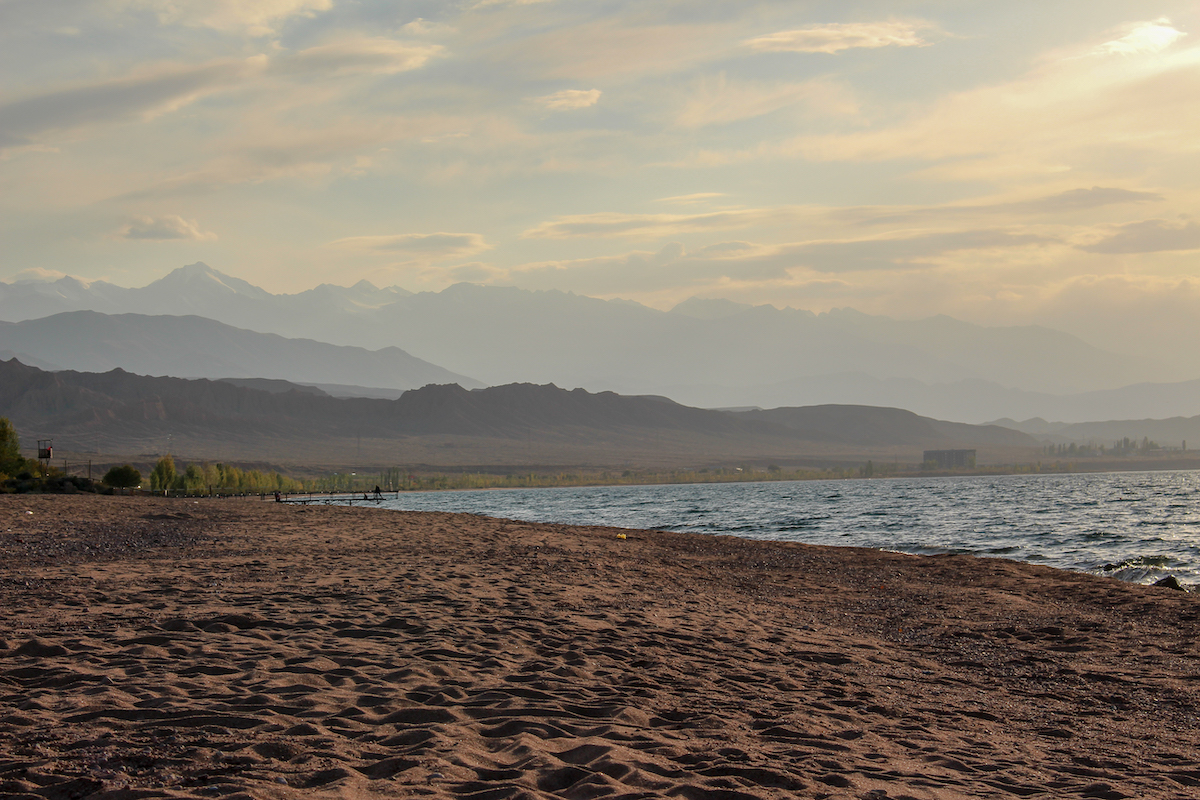
Kyrgyzstan boasts some of the most gorgeous and crystal-clear lakes in the world.
Lake Issyk-Kul, the world’s second-largest alpine lake (after Lake Titicaca), is known for its sparkling waters, fine sand beaches, and jaw-dropping mountain backdrop.
But there are also thousands of other lakes waiting to be discovered. Like Song-Kol, surrounded by vast meadows and green hills home to herds of wild horses.
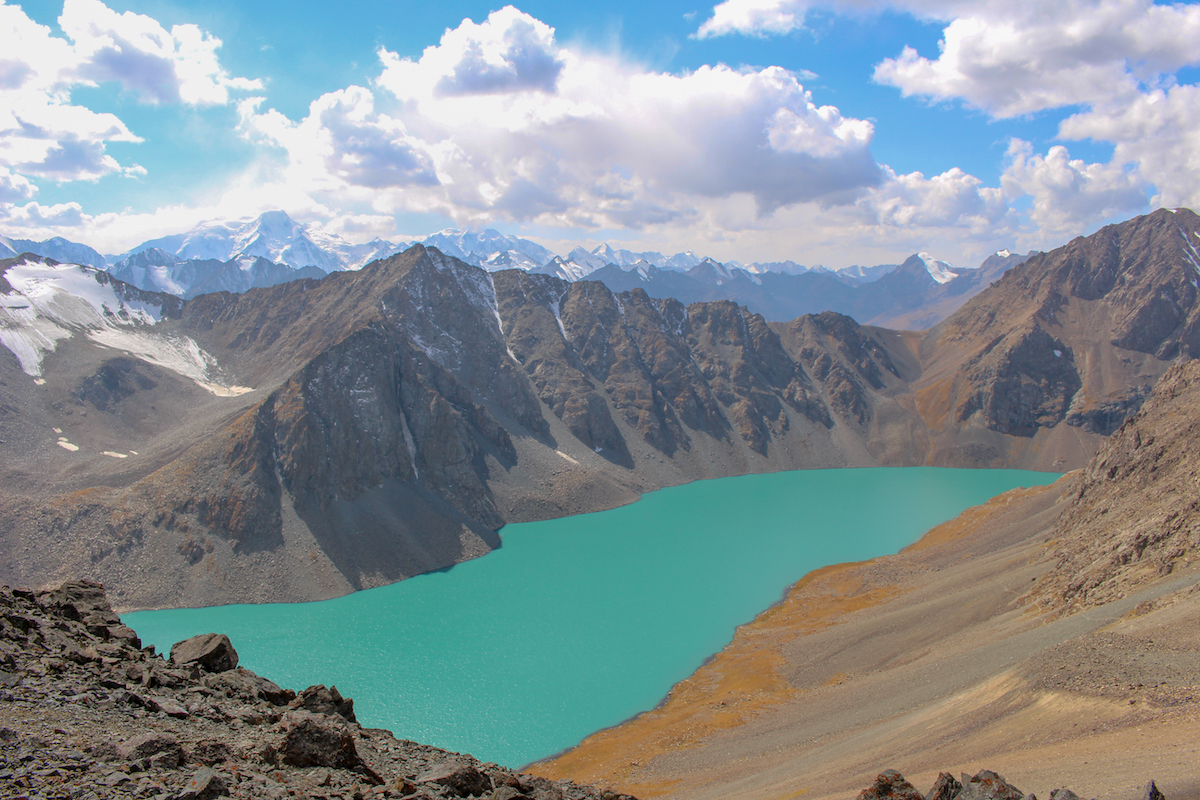
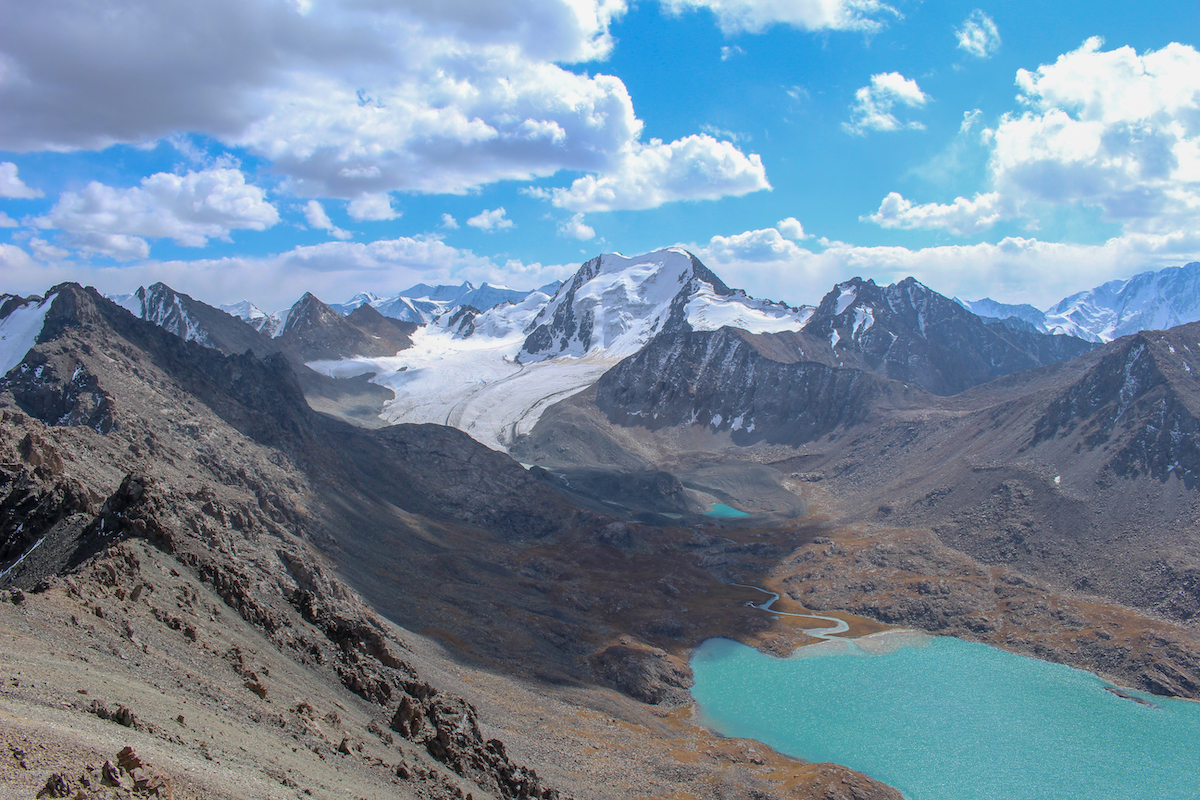
Ala Kul is a remote and spectacular high-altitude lake that I visited on one of my hikes in eastern Kyrgyzstan.
At an elevation of 3,560 metres (11,680 ft), the trek to reach the lake is challenging but incredibly rewarding. Its waters are a dazzling shade of blue-green and the surrounding scenery will (quite literally) take your breath away!
Afterwards, you can reward yourself with a long soak in the hot springs at nearby Altyn Arashan.
With almost 2,000 lakes in Kyrgyzstan, you’ll never run out of jaw-dropping natural landscapes to explore.
4. Mouthwatering Cuisine

Kyrgyz cuisine is a fusion of flavours from Russia, China, and Central Asia – offering a unique eating experience.
Indulge in hearty dishes like lagman (noodle soup with meat and vegetables), boso lagman (fried noodles with vegetables and meat), or kuurdak (fried diced lamb or beef with potatoes and onions).
Don’t forget to try traditional beverages like kumis, a fermented mare’s milk drink, or shoro, a salty yogurt-based drink (which reminded me of Turkish ayran).
For dessert lovers, there are plenty of options too. My favourite Kyrgyz desert is boorsok – fried dough balls served with honey or jam.
5. Adventure and Outdoor Activities
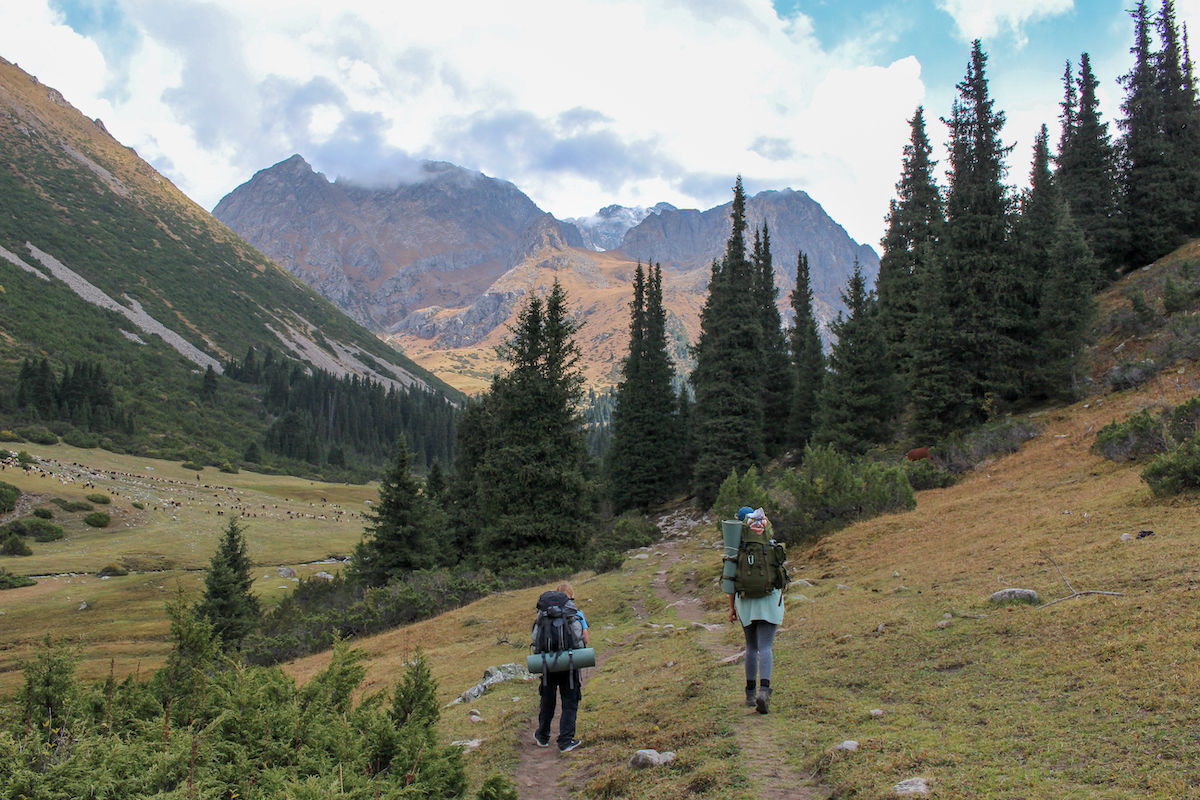
With its incredible landscapes and untouched natural beauty, Kyrgyzstan is a perfect playground for adventurous souls and lovers of the great outdoors.
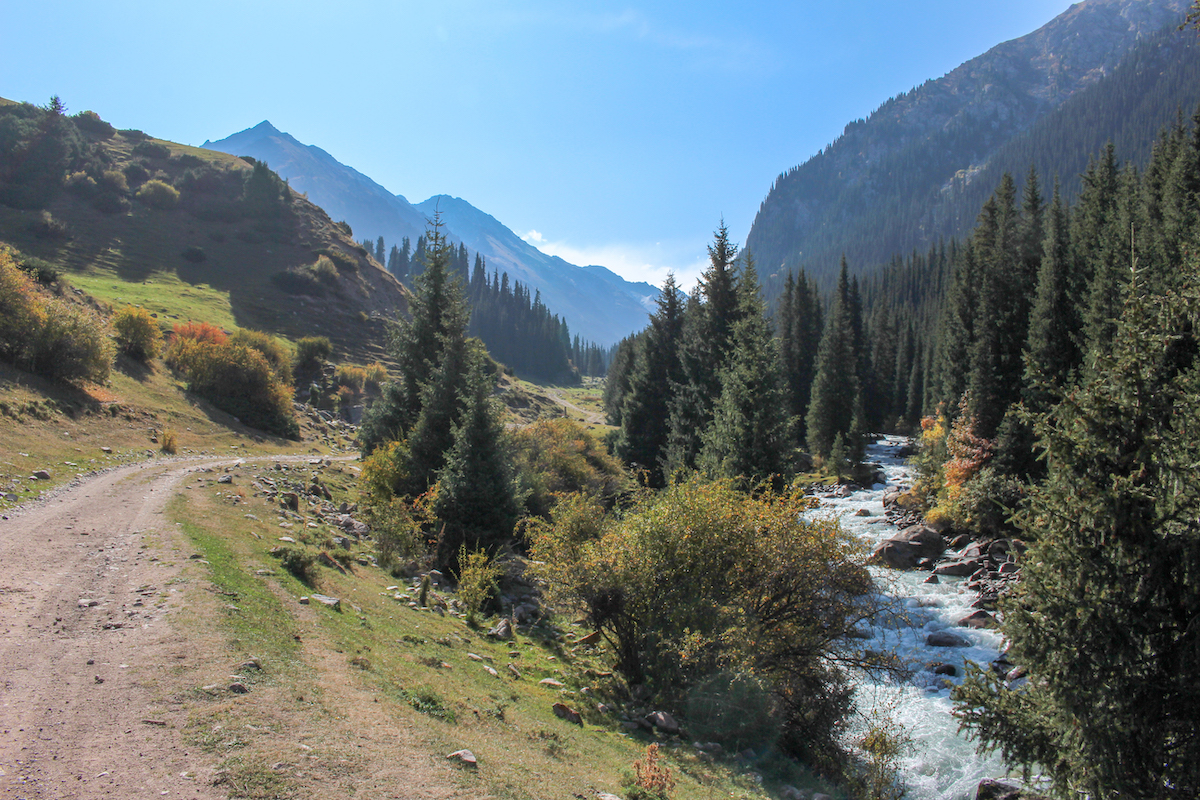
Hike through pristine alpine valleys and meadows alongside nomadic shepherds guiding their flocks across rolling hills and meandering rivers.
Challenge yourself on a multi-day trek across the rugged high-altitude passes of the Tien Shan mountains. Take a dip in the remote and picturesque natural hot springs of Altyn Arashan.
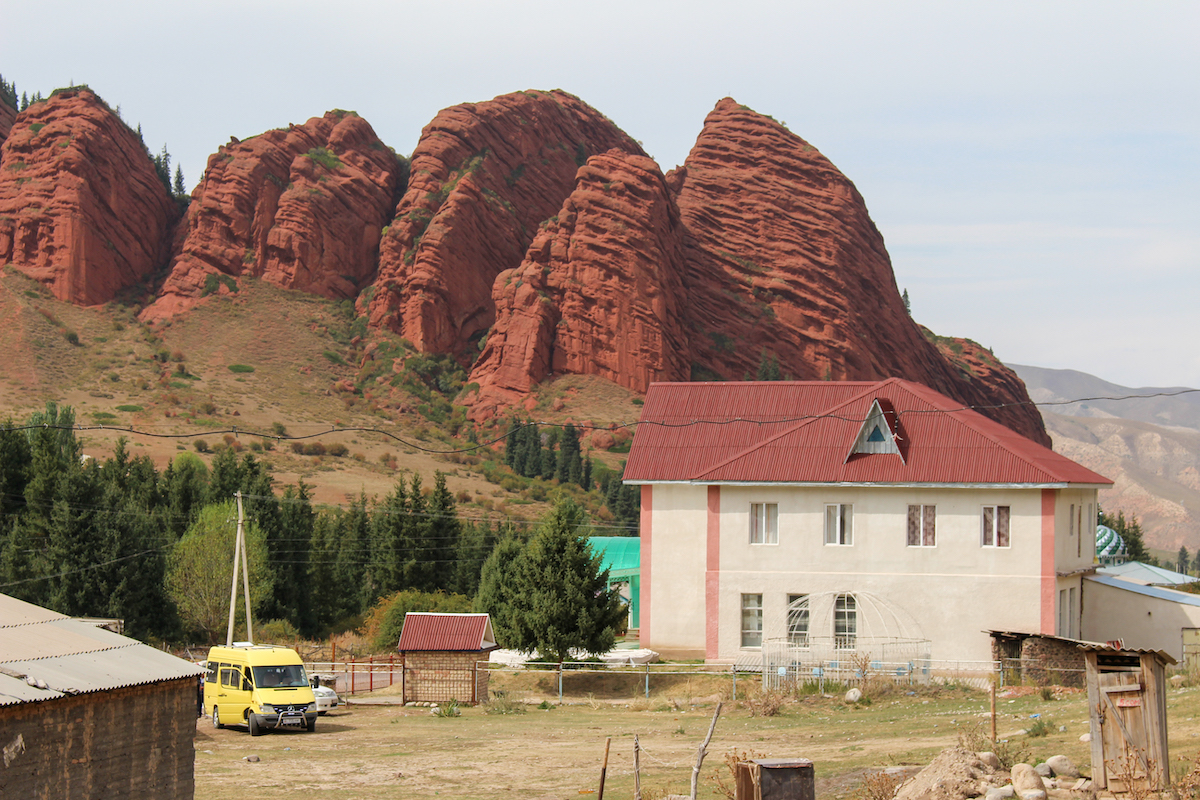
Discover the dramatic and otherworldly rock formations of Fairytale Canyon.
Go whitewater rafting on the Chu River. Or ski touring in the mountains above Karakol. The possibilities are endless!
Embark on an unforgettable journey. Immerse yourself in the rugged wilderness, and discover the unspoiled beauty Kyrgyzstan has to offer.
6. Unique Cultural Experiences and Community-Based Tourism
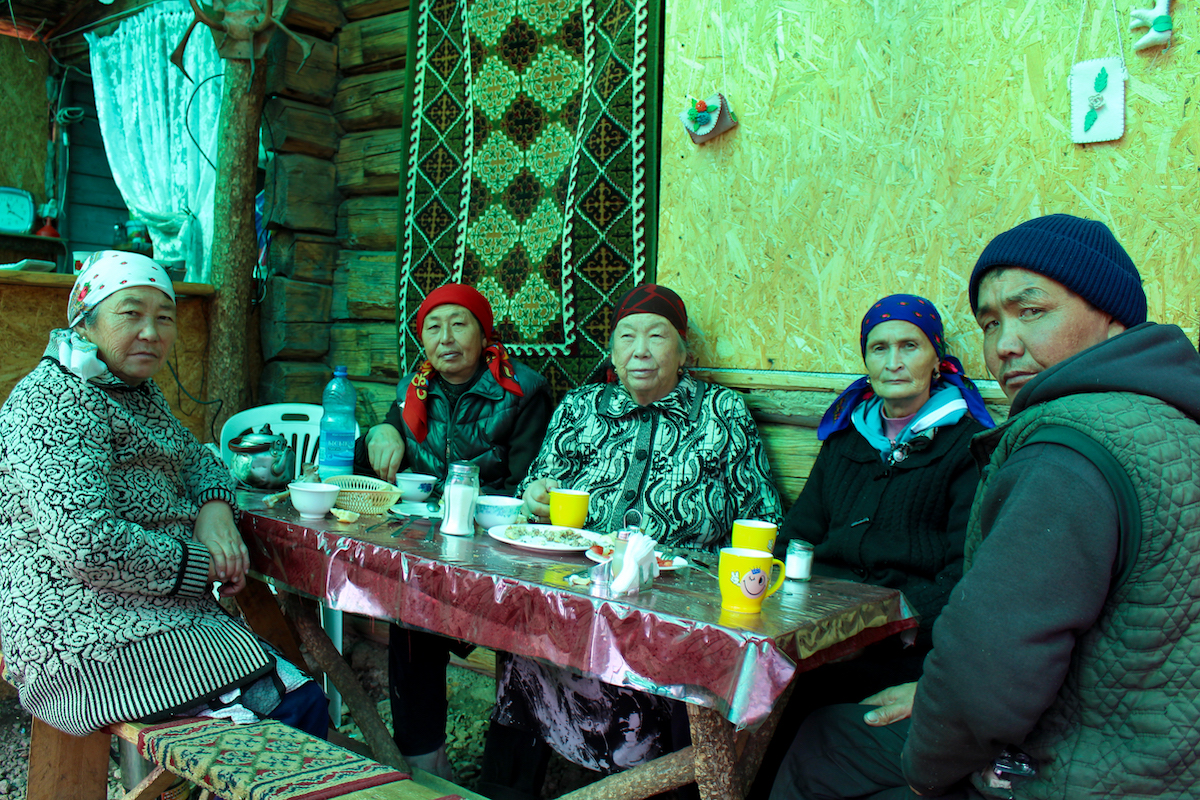
Kyrgyzstan is a world leader when it comes to sustainable and community-based tourism.
The country’s official community-based tourism initiative (CBT Kyrgyzstan) is excellent and operates various tours, community-run guesthouses, and yurt camps across Kyrgyzstan.
These offer an accessible and authentic opportunity for visitors to get off the beaten path and immerse themselves in the local culture, from homestays and horseback riding to guided treks and handicraft workshops.
They also help to empower local communities, encourage cultural exchange, and raise awareness of environmental issues and sustainable practices. It’s especially beneficial for people living in rural areas and a great initiative to support.
7. Historical Sites and Silk Road Legacy
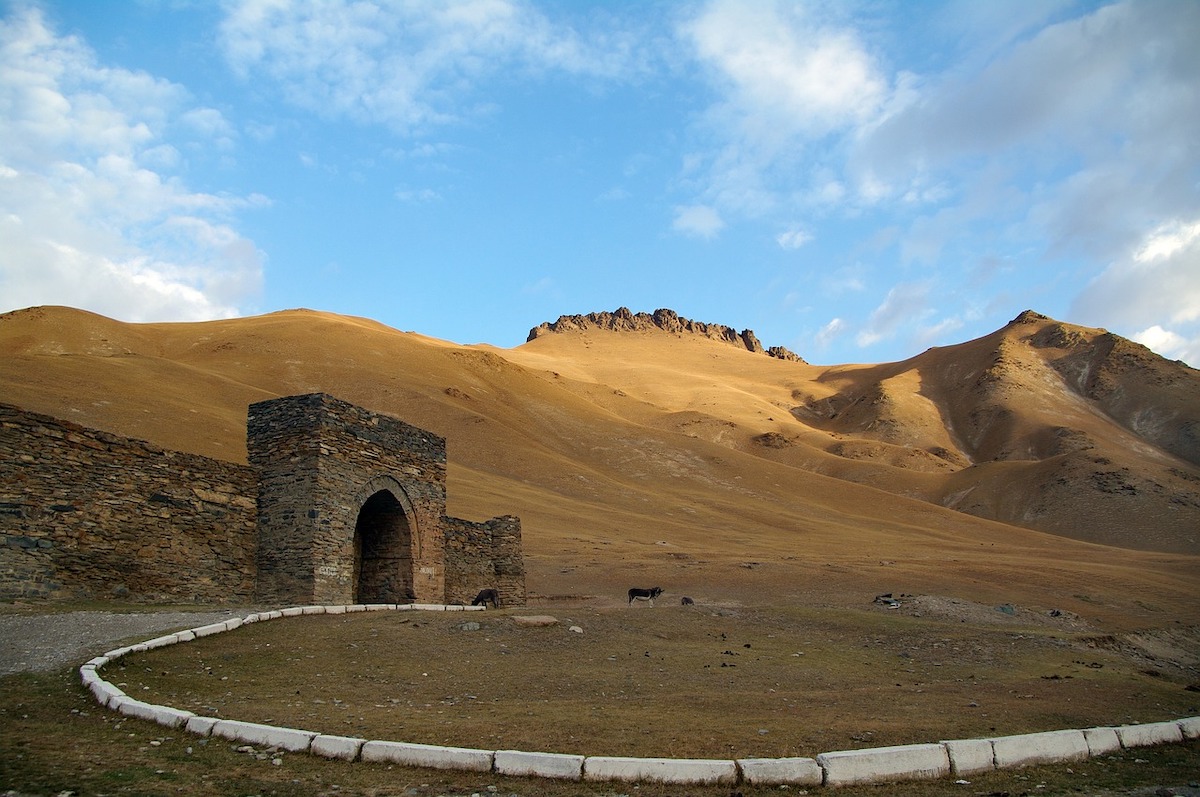
As a key stop on the historic Silk Road, Kyrgyzstan is rich in cultural and historical sites too.
Visit Tash Rabat, a 15th-century caravanserai that served as a resting place for travellers along the epic trade route.
You’ll be following in the footsteps of traders and explorers journeying between China, Central Asia, the Middle East, and Europe.
Marvel at the well-preserved petroglyphs at Saimaluu-Tash. Or discover the ancient city of Balasagun, once a prosperous trading hub and capital of the Karakhanid Empire.
Don’t forget to explore the country’s capital, Bishkek, where you’ll find a mix of Soviet-era architecture and modern city life. And the picturesque town of Karakol, with its wooden Orthodox Church and Dungan Mosque.
Final Thoughts
Kyrgyzstan is a true gem waiting to be discovered. If you’re a curious and adventurous traveller and want to visit somewhere unique and incredibly beautiful, add Kyrgyzstan to your bucket list.
With its majestic landscapes, rich nomadic heritage, and abundance of adventure activities and cultural experiences, this Central Asian country is an amazing place to explore in 2024.
Additional Information on Visiting Kyrgyzstan
Kyrgyzstan Travel Tips:
- Kyrgyzstan is generally a safe and welcoming country for tourists. However, it’s always wise to exercise caution in remote areas and follow local advice.
- Only head out into the mountains and other remote, wilderness areas of Kyrgyzstan with the necessary equipment and experience.
- Always be sure to research the area you are planning to explore and be aware of any potential hazards or difficult terrain.
- Russian and Kyrgyz are the official languages of Kyrgyzstan. English is not widely spoken outside of tourist sites, so knowing a few basic Russian or Kyrgyz phrases can be helpful.
- Public transportation options are limited in some regions, so consider renting a car for greater flexibility. Especially if you plan to explore the country’s more off-the-beaten-path destinations.
Best Time to Visit Kyrgyzstan:
- For most people, the best time to visit Kyrgyzstan is during the summer, from June to September. These months offer pleasant weather for outdoor activities and exploring the scenery.
- Winters are long and cold in Kyrgyzstan, lasting from November until April. During these months, remote areas of the country often get cut off, although there are many excellent opportunities for skiing and snowboarding.
Top Destinations to Visit:
- Bishkek: The capital city with several bustling markets, Soviet-era architecture, and vibrant culture.
- Issyk-Kul Lake: The world’s second-largest alpine lake offers opportunities for swimming, boating, and relaxation.
- Song Kul Lake: A high-altitude lake surrounded by nomadic yurt camps.
- Tian Shan Mountains: A paradise for trekkers and mountaineers, offering breathtaking landscapes and hiking trails.
- Karakol: An attractive city in eastern Kyrgyzstan and a major hub for exploring the nearby Tian Shan mountains.
- Arslanbob: A picturesque valley containing a charming village and the world’s largest walnut forest.


