
Latvia, a small country in the Baltics, is often overlooked by travellers. Those who do make it here are well rewarded. With its rich history, delicious cuisine, and welcoming atmosphere, Latvia is a hidden gem waiting to be discovered.
Having explored Latvia myself, I’d wholeheartedly recommend it to anyone looking for an alternative European destination that’s fun, easy, and cheap to visit.
7 Reasons Why You Should Visit Latvia in 2024
Latvia may be small, but it’s full of surprises. From the vibrant capital city Riga to its peaceful countryside and picturesque coastline, it’s a great destination to explore whatever kind of traveller you are.
So why not make plans to visit this beautiful country in 2024? Here are seven reasons to convince you.
1. Charming Old Towns and Castles
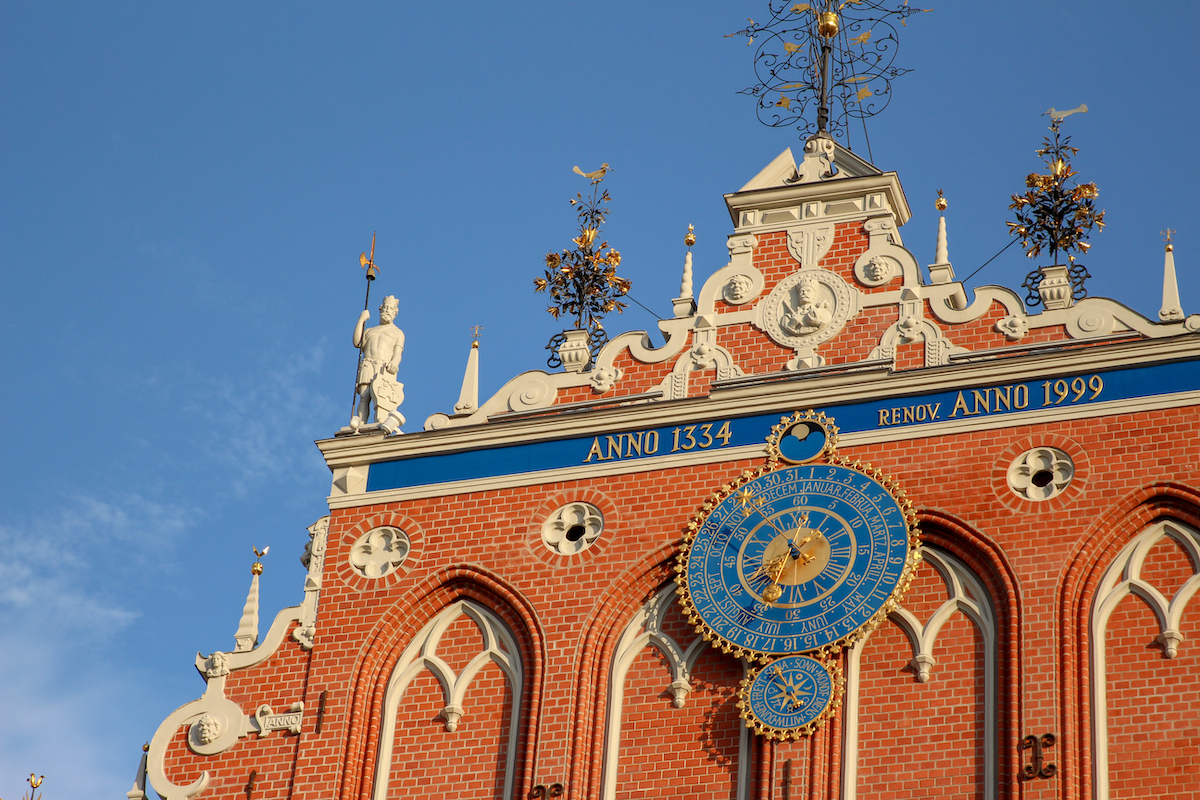
Latvia’s rich history is beautifully preserved in its stunning old towns and castles.
Wander through the cobbled streets of Riga’s Old Town, a UNESCO World Heritage Site, and marvel at its medieval and Gothic architecture, including the iconic House of Blackheads.
Take a trip to Cesis, where you’ll find a well-preserved medieval castle and charming wooden houses. Unearth the secrets of the legendary Turaida Castle, steeped in myths and legends, and its beautiful surrounding gardens.
Or immerse yourself in the grandeur of Rundale Palace, an architectural masterpiece showcasing Baroque and Rococo styles.
2. Unspoiled Nature
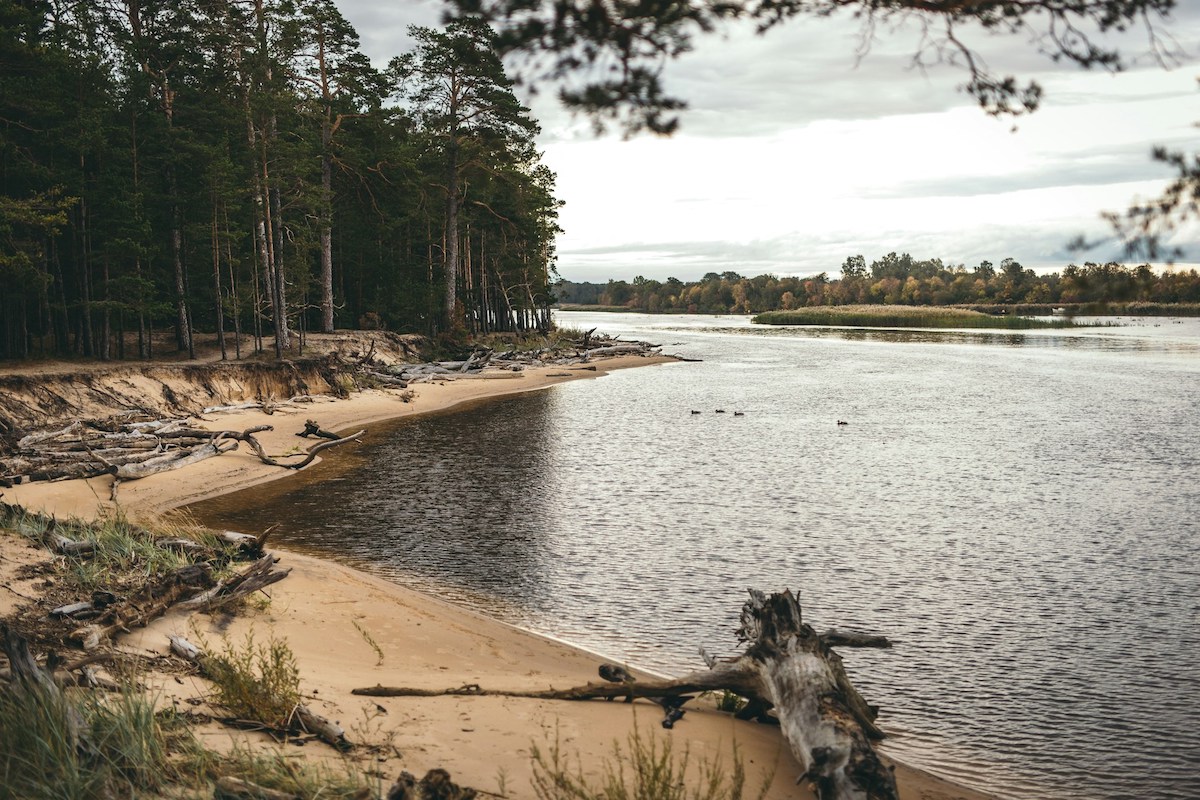
Latvia may be small, but it’s home to an abundance of unspoiled nature just waiting to be explored. With over 50% of its land covered in forests, Latvia is the perfect destination for lovers of nature and the great outdoors.
From the pristine beaches of the Baltic coast to the dense forests and rolling hills of its national parks, there’s no shortage of natural beauty in this country.
Take a hike through Gauja National Park from the attractive town of Sigulda. Known as the “Little Switzerland of Latvia”, it’s only one hour from Riga by road.
Or explore the wild and rugged Slītere National Park, with its coastal dunes, bogs, and broadleaf forests. This place is home to a diverse range of wildlife including seals, wolves, lynx, elk, and a huge number of migratory birds.
3. Vibrant Cities
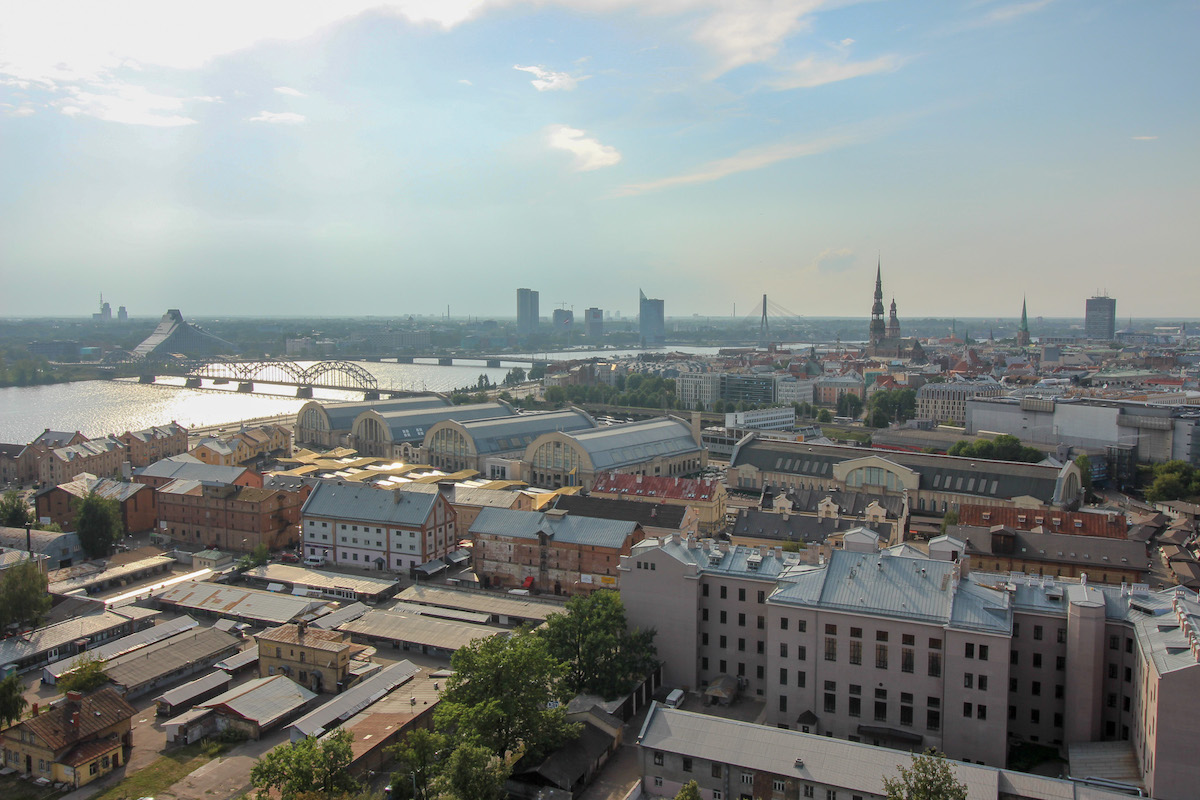
The Latvian capital, Riga, offers a mix of old-world charm and modern city life, with plenty of museums, galleries, and restaurants to explore. It has a fun and lively nightlife scene, with many excellent bars, clubs and live music venues.
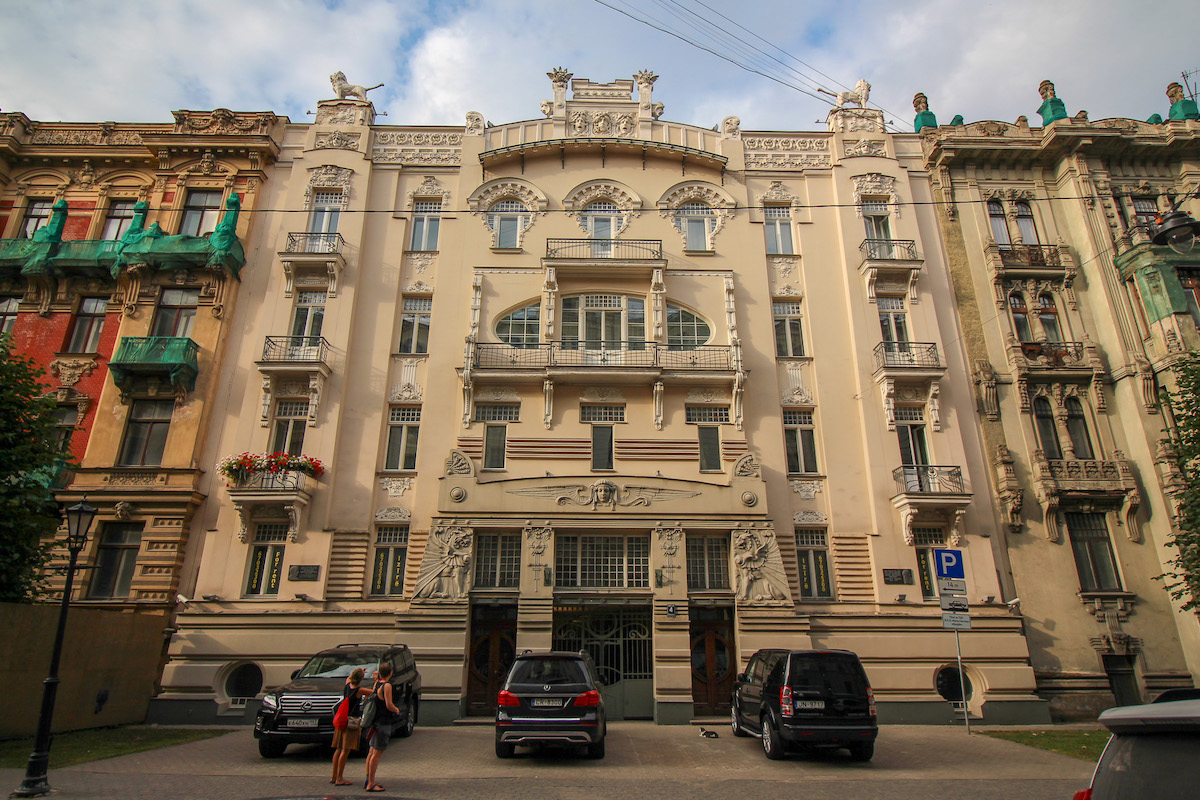
Riga also has some of the most striking examples of Art Noveau architecture anywhere in the world. And don’t miss a trip to the enormous Central Riga Market, housed inside five former German Zeppelin hangars.
For a more off-the-beaten-path experience, visit the seaside city of Liepaja, known for its sparkling beaches and vibrant live music scene.
Or head to Daugavpils, the country’s second-largest city, where you’ll find an impressive fortress, interesting architecture, and several excellent museums including the Daugavpils Local History and Art Museum and the Rothko Museum.
4. Rich Cultural Heritage
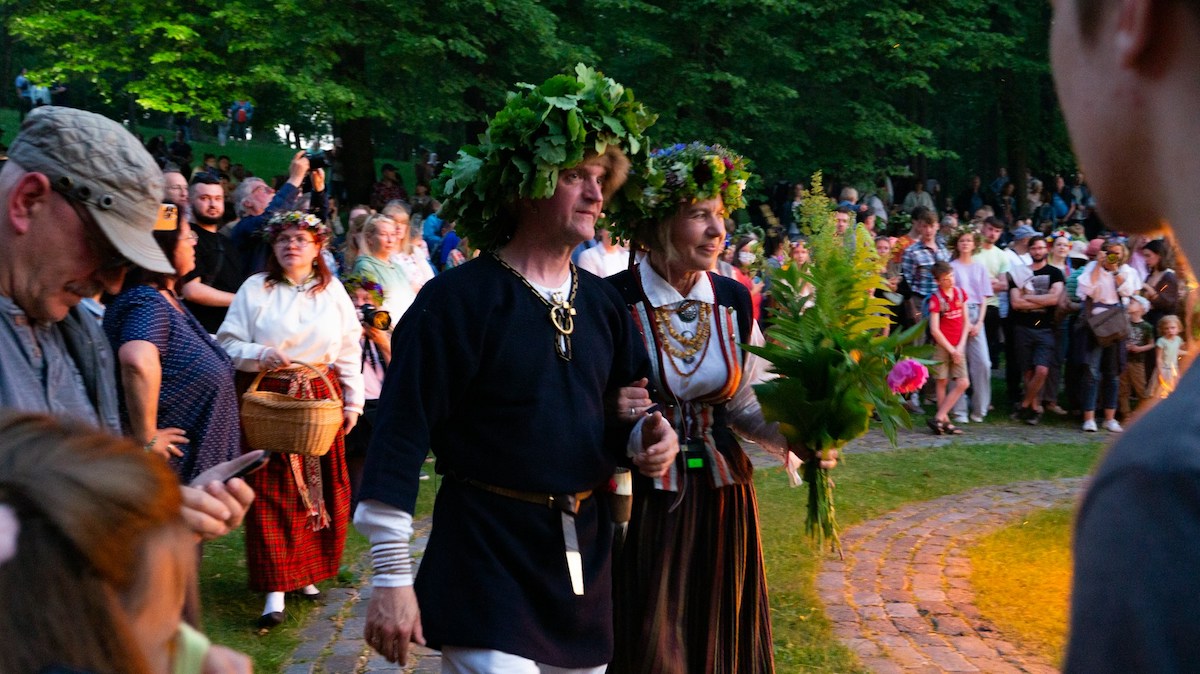
Latvia is a country that takes immense pride in its rich arts and cultural heritage. Its vibrant and thriving cultural scene embraces and celebrates both the traditional and the contemporary.
Take the enchanting Midsummer celebrations, where bonfires light up the night sky and people perform traditional dances wearing crowns made of oak leaves and flowers.
Visit the renowned Latvian National Opera or attend one of the many festivals held throughout the year, like the Positivus Music Festival or the Riga City Festival.
And don’t forget to explore Latvia’s rich handicraft traditions, from intricately woven textiles to delicate pottery and woodcarvings. Delving into Latvia’s cultural traditions is like stepping into a living history book.
5. Delicious Cuisine
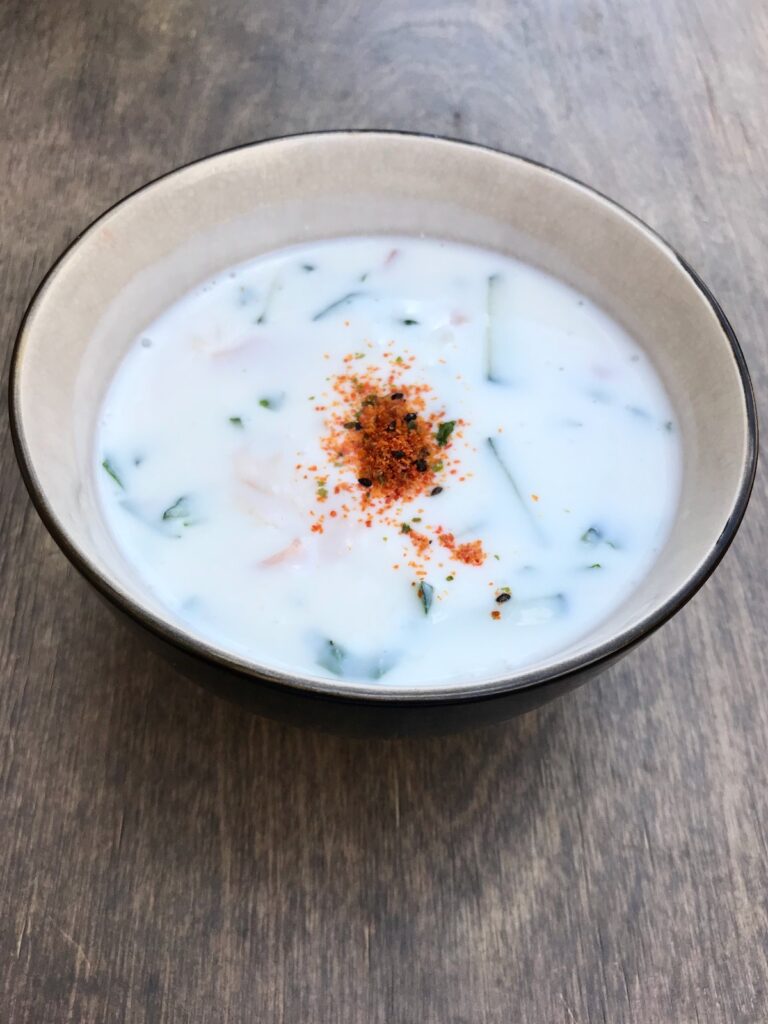
Traditional Latvian cuisine is hearty, comforting, and full of flavour. It tends to showcase fresh, locally sourced ingredients which vary according to the season.
Latvians absolutely love dark rye bread (or rupjmaize). It’s been a Latvian staple for centuries and is an integral part of most meals. It’s rich, slightly nutty, and delicious served with butter and salt.
Be sure to try the national dish, pelēkie zirņi ar speķi (grey peas with bacon and onions), made with boiled peas, smoked pork, and onions. Or freshly made potato pancakes with smoked fish and wild berries.
For dessert, try some blueberry dumplings (klimpas). Or sweet rye bread “soup” (toasted rye bread cooked with fruit, honey, and spices).
Or even a small stack of rye bread with whipped cream and jam. Did I tell you Latvians love rye bread?
6. Wellness and Relaxation
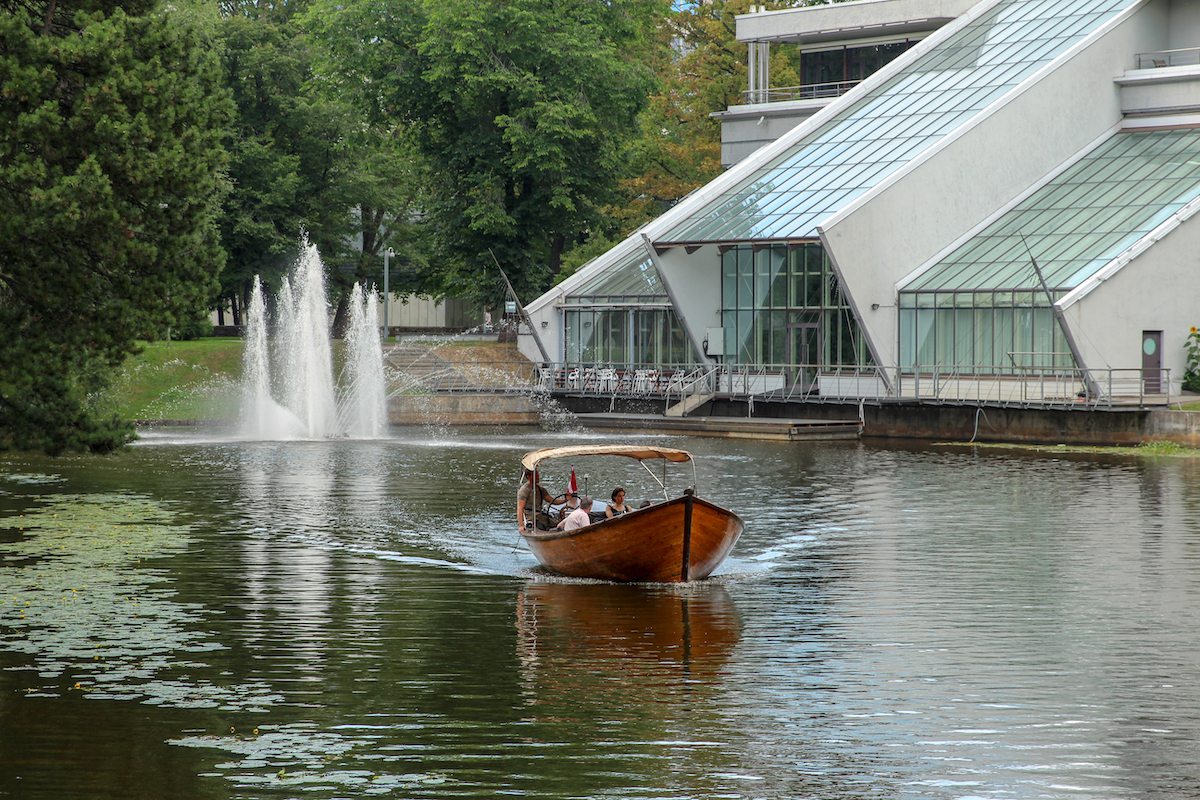
In need of some rest and relaxation? Latvia has you covered with its abundance of spa resorts, hot springs, and natural mineral baths.
Escape to the picturesque town of Jurmala for a day at the beach or pamper yourself at one of the many spa hotels. Let the healing properties of Latvia’s natural mineral waters rejuvenate your body and mind.
For a unique wellness experience, try pirts, the Latvian version of a sauna. Water infused with herbs and essential oils is poured over the sauna coals, creating a burst of fragrant steam.
During Latvian sauna sessions, it’s common to gently whip the body with birch branches. This stimulates blood circulation and supposedly increases the therapeutic effects.
7. Outdoor Adventures
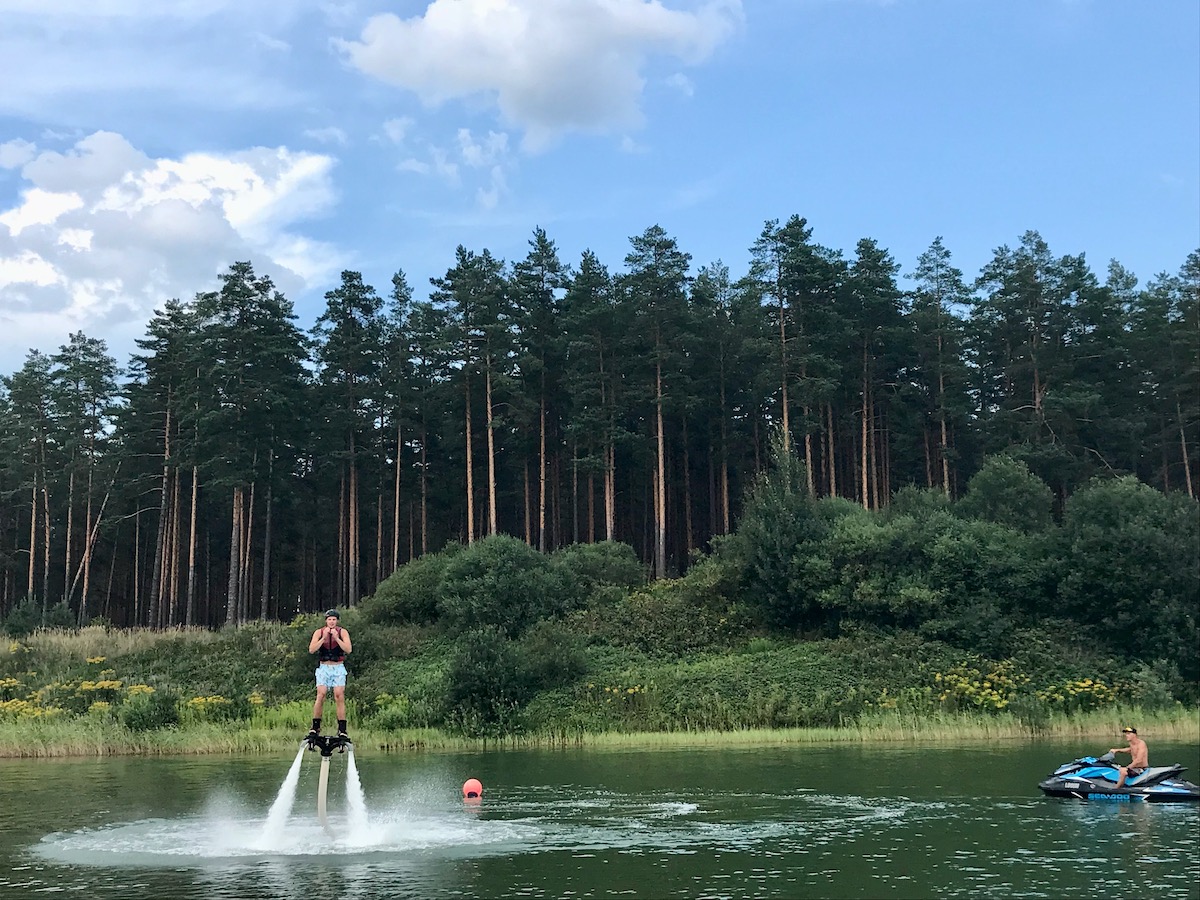
With its diverse landscapes and unspoilt nature, Latvia is an ideal playground for outdoor enthusiasts. No matter what time of year you visit, you’ll find endless opportunities for adventure.
In the winter, hit the slopes at one of Latvia’s many ski resorts, or try your hand at ice fishing on a frozen lake.
As spring arrives, go hiking or birdwatching in one of Latvia’s national parks. Or take a scenic bike ride through the countryside.
And in the summer, enjoy water sports like kayaking or paddleboarding along the country’s many rivers and lakes. Or sail along the beautiful Baltic coastline and discover secret beaches and hidden coves.
Final Thoughts
Latvia is a serene yet vibrant and unique destination, and still relatively off the beaten track. Why not make 2024 the year you experience what this amazing little country has to offer?
From its charming old towns and unspoiled nature to its delicious cuisine, Latvia is the perfect place for your next adventure.
Additional Information on Visiting Latvia
Latvia Travel Tips:
- Latvia is a safe and welcoming country. Just exercise the usual precautions and stay aware of your surroundings, especially in crowded areas, as you would anywhere else.
- Latvian is the official language, but English is spoken in tourist areas. Learning a few Latvian phrases can enhance your experience.
- Public transportation in Latvia is cheap and reliable, including buses, trams, and trains.
- I recommend hiring a car if you want to explore more remote locations.
Best Time to Visit Latvia:
- The best time to visit Latvia depends on your interests.
- Summer, from June to August, offers long sunny days and pleasant temperatures, ideal for enjoying outdoor activities, festivals, and exploring the countryside.
- Spring and autumn are good for those who prefer cooler weather and fewer crowds. These seasons are great for hiking if you don’t want to get too hot.
- Winter, from December to early March, is perfect for winter sports such as ice skating and skiing, and enjoying the festive atmosphere.
Top Destinations to Visit:
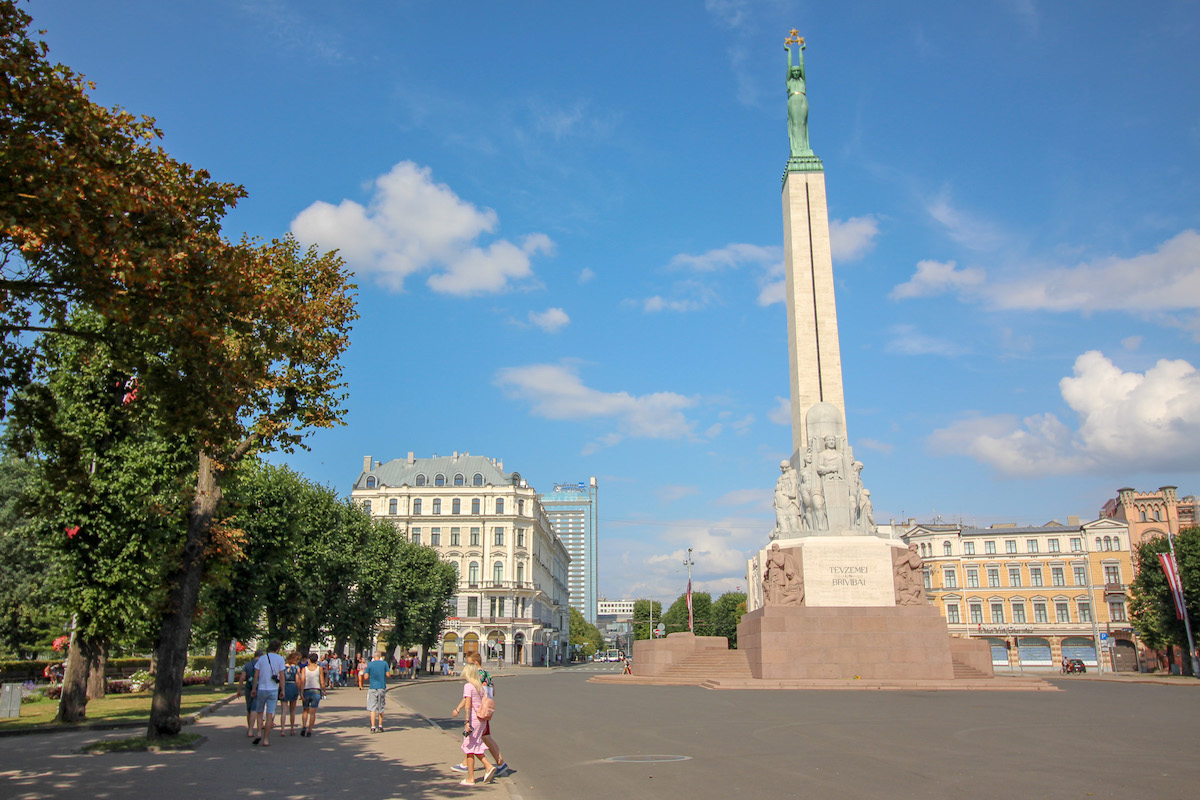
- Riga: The capital city is known for its charming Old Town, Art Nouveau architecture, and vibrant cultural scene.
- Jurmala: A coastal resort town with beautiful sandy beaches and therapeutic mineral waters.
- Cesis: A medieval town with a stunning castle, cobblestone streets, and a rich history.
- Sigulda: Located in the Gauja National Park, it’s a paradise for nature lovers, with hiking trails and adventure activities.
- Kuldiga: Known for its picturesque Venta Rapid waterfall, historic buildings, and laid-back atmosphere.


