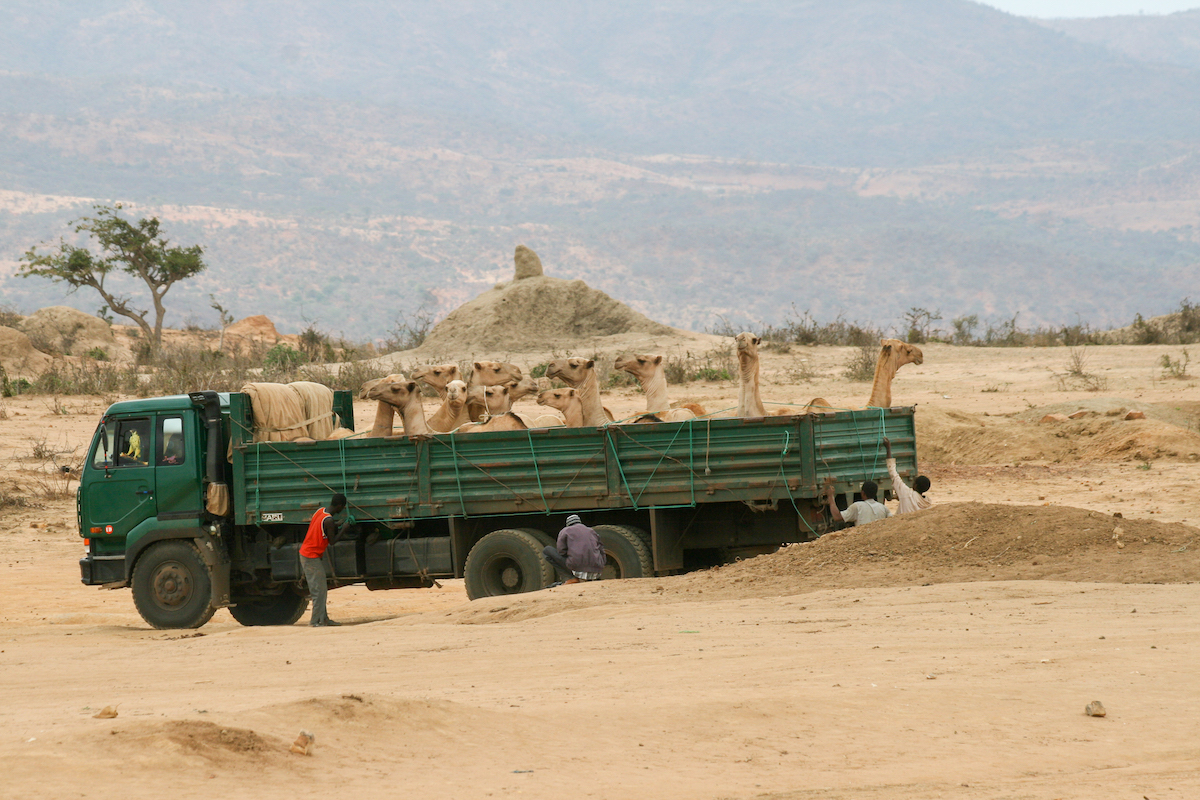
The cradle of human civilisation, Ethiopia is a place where the past lives in the present, from the mystical rock-hewn churches of Lalibela to the tribal cultures of the Omo Valley.
Ethiopia will captivate and inspire you in a way that no other country can. I’ve been to Ethiopia three times and, trust me, there’s nowhere else quite like it.
7 Reasons Why You Should Visit Ethiopia in 2024
2024 is the perfect time to explore Ethiopia. With rapidly improving infrastructure and an increased focus on tourism, this hidden gem is ready to welcome the world.
Here are 7 reasons why you should visit Ethiopia this year:
1. Spectacular Landscapes and Wildlife

Ethiopia is a dream destination for adventurous travellers. From the spectacular Simien Mountains to the otherworldly Danakil Depression, the country offers a huge range of awe-inspiring scenery and diverse wildlife.
With its dramatic escarpments, deep canyons, breathtaking waterfalls, and burning deserts, Ethiopia’s varied landscapes are truly out of this world.
And then there’s the wildlife. Rare Ethiopian wolves, graceful gelada baboons, and unique birds like the Ethiopian ibis are just a handful of the incredible creatures you can spot while exploring this remarkable country.
2. Ancient Historical Sites
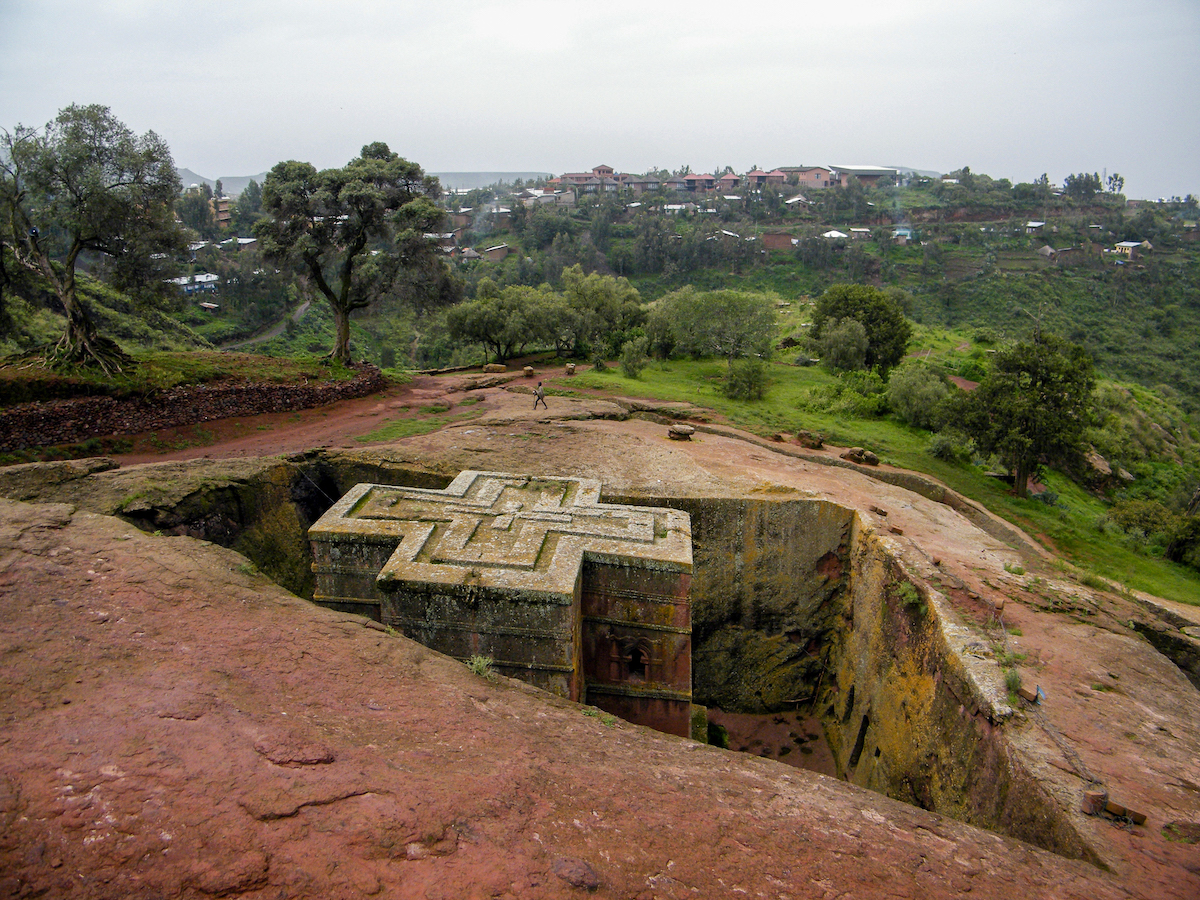
Ethiopia is an ancient land steeped in history. From the majestic rock-hewn churches of Lalibela to the ancient ruins of Aksum, Ethiopia’s historical sites offer a glimpse into the country’s rich and storied past.
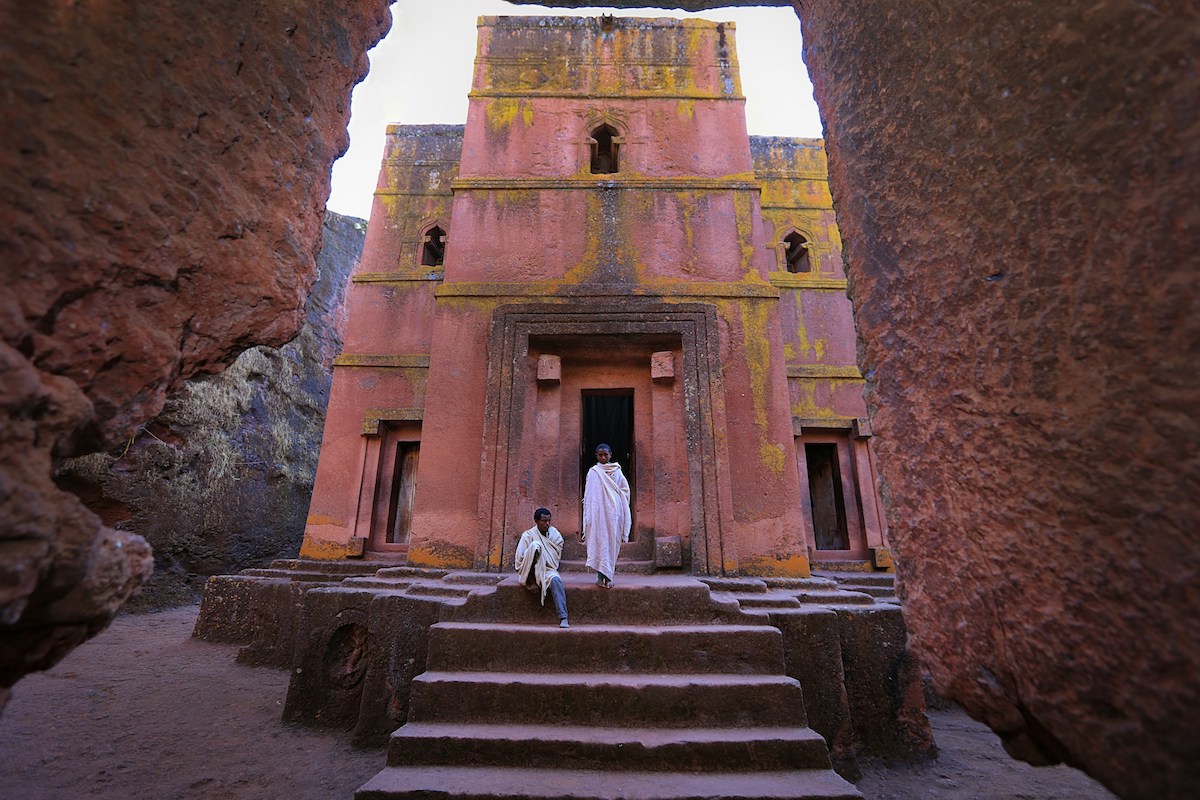
Lalibela’s 11 iconic churches were carved out of solid rock in the late-12th and early-13th century. This awe inspiring religious complex was built in an attempt to recreate the city of Jerusalem, and is still in use by the Ethiopian Orthodox Church today.
Meanwhile, the ancient city of Aksum was once the capital of a powerful trading empire. Its huge network of ruins date from as early as the 1st century and include mysterious stelae, giant obelisks, castles, and tombs.
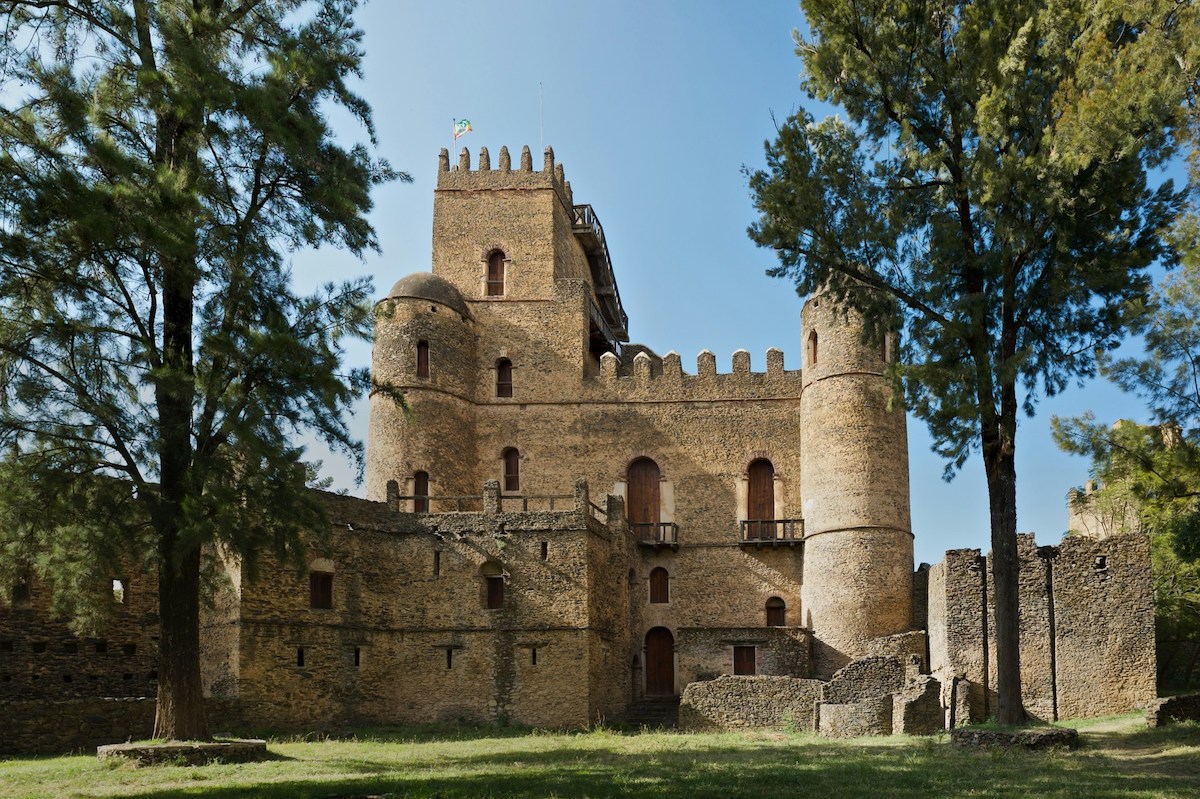
And then there’s Gondar, known as the “Camelot of Africa”, with its stunning medieval castle, grand palaces, and fascinating history. There’s a huge amount to see and discover.
3. Delicious and Distinctive Cuisine
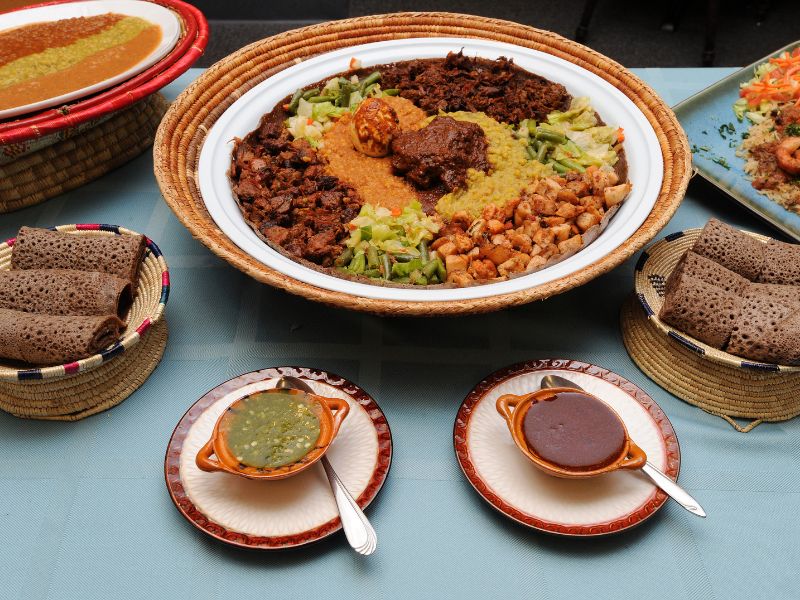
Traditional food is a key component of Ethiopian culture. Trying some of the classic dishes offers a unique culinary experience that will captivate your taste buds.
Ethiopia’s distinctive cuisine is a tantalizing blend of flavours, textures, and aromas that will leave you utterly hooked and craving more.
The use of spices such as berbere and mitmita adds a depth of flavour that’s both bold and complex.
One of the key features of most Ethiopian cuisine is injera, a spongy and sourdough pancake-like bread that’s perfect for soaking up all the delicious flavours.
It’s typically served with a variety of stews, known as wats, which are made with a medley of spices, herbs, and vegetables.
From fiery doro wat (chicken stew) to succulent tibs (grilled meat), every bite tells a story of Ethiopia’s diverse culinary traditions.
There are plenty of tasty options for vegetarians, too. One of my favourites is shiro wat, a thick stew made with chickpea flour and spiced clarified butter.
4. Cultural Diversity and Traditions
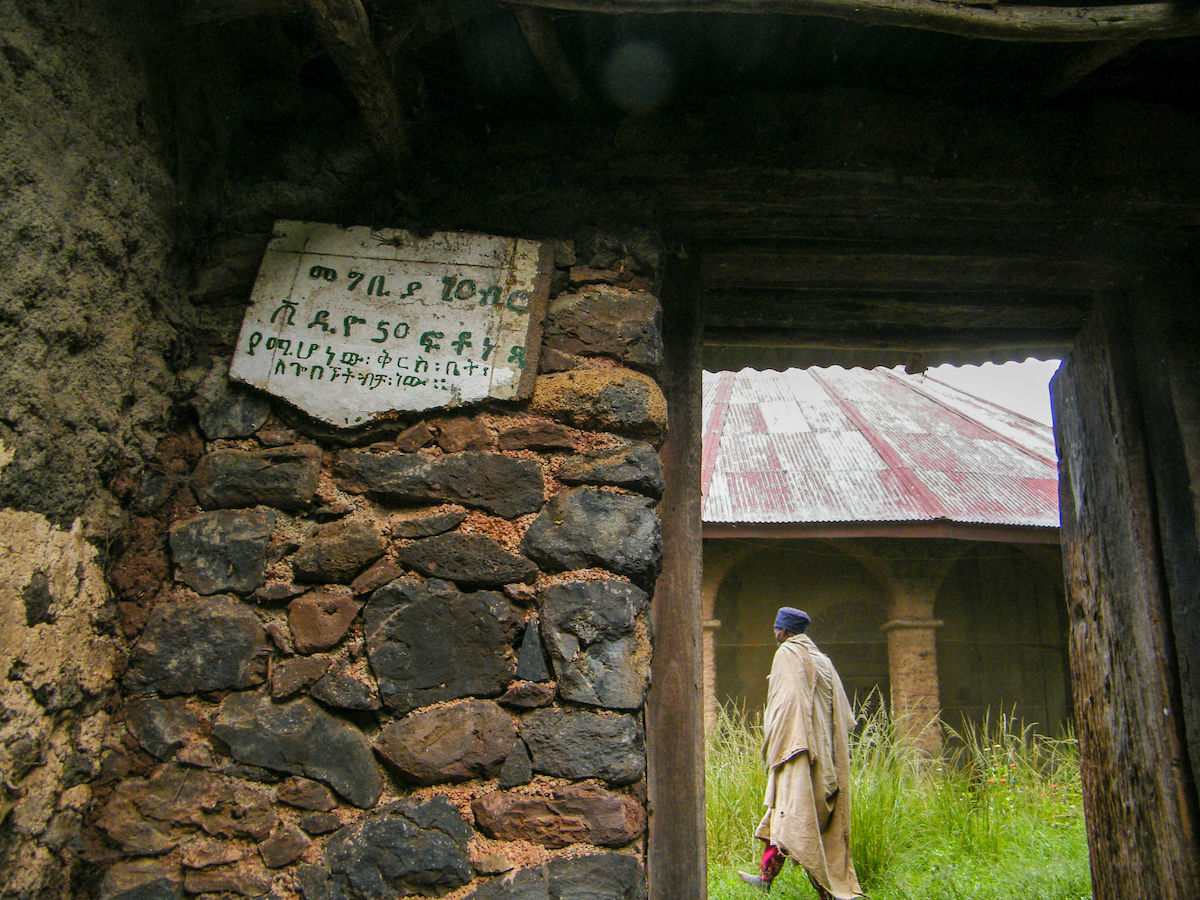
Ethiopia is a true melting pot of cultures, with over 90 different ethnic groups and more than 80 languages.
From the ancient and mystical traditions of the Tigrayans and the Oromos to the vibrant and colourful festivals of the Amharas and the Sidamas, Ethiopia offers a cultural richness and diversity that’s hard to match.
Whether you’re exploring the ancient rock-hewn churches of Lalibela, dancing to the rhythm of the Eskista dance, or witnessing a traditional coffee ceremony, Ethiopia’s cultural tapestry will leave you spellbound.
5. Vibrant Festivals and Celebrations
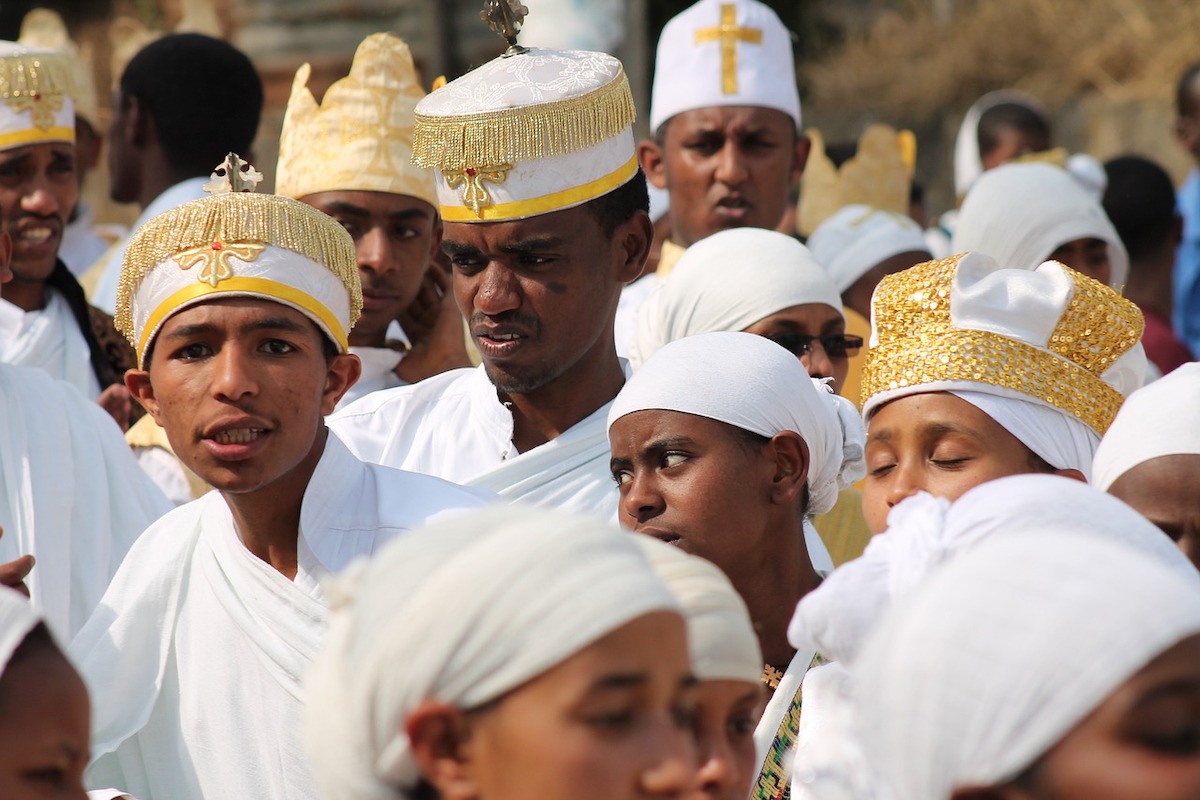
Ethiopia is known for its vibrant festivals and celebrations. These colourful events showcase the nation’s rich cultural heritage and offer a unique and unforgettable experience.
Take the holy Timkat festival, where the Ethiopian Orthodox Church celebrates the baptism of Jesus. Or the exuberant Meskel festival, commemorating the discovery of the True Cross.
The energy, music, dance, and traditional attire worn during these festivals and celebrations are nothing short of mesmerising. They’ll undoubtedly leave a lasting impression long after you leave.
6. Coffee Culture and Origins

Renowned as the birthplace of coffee, Ethiopia holds a special place in the origins and culture of this beloved beverage.
Coffee has a deep significance in Ethiopia. Served black and strong, it’s a symbol of hospitality and friendship.
Don’t miss the chance to experience a traditional Ethiopian coffee (or “Buna“) ceremony. It’s a very special ritual, carried out with utmost care, that’s been practised for centuries and is an important part of Ethiopian culture.
The process begins with the roasting of raw coffee beans over an open flame. At the same time, frankincense, myrrh, and sandalwood are burned, creating an irresistible aroma and a sense of calmness.
The beans are then hand-ground using a mortar and pestle and brewed in traditional clay pots over the flame, producing a rich and full-bodied coffee. When the coffee is ready, it’s poured into small cups and sipped slowly.
The Ethiopian coffee ceremony is a beautiful tradition that’s cherished and celebrated. It’s a reminder to slow down, appreciate the company of the people around you, and enjoy life’s simple pleasures.
7. Opportunities for Adventure and Exploration
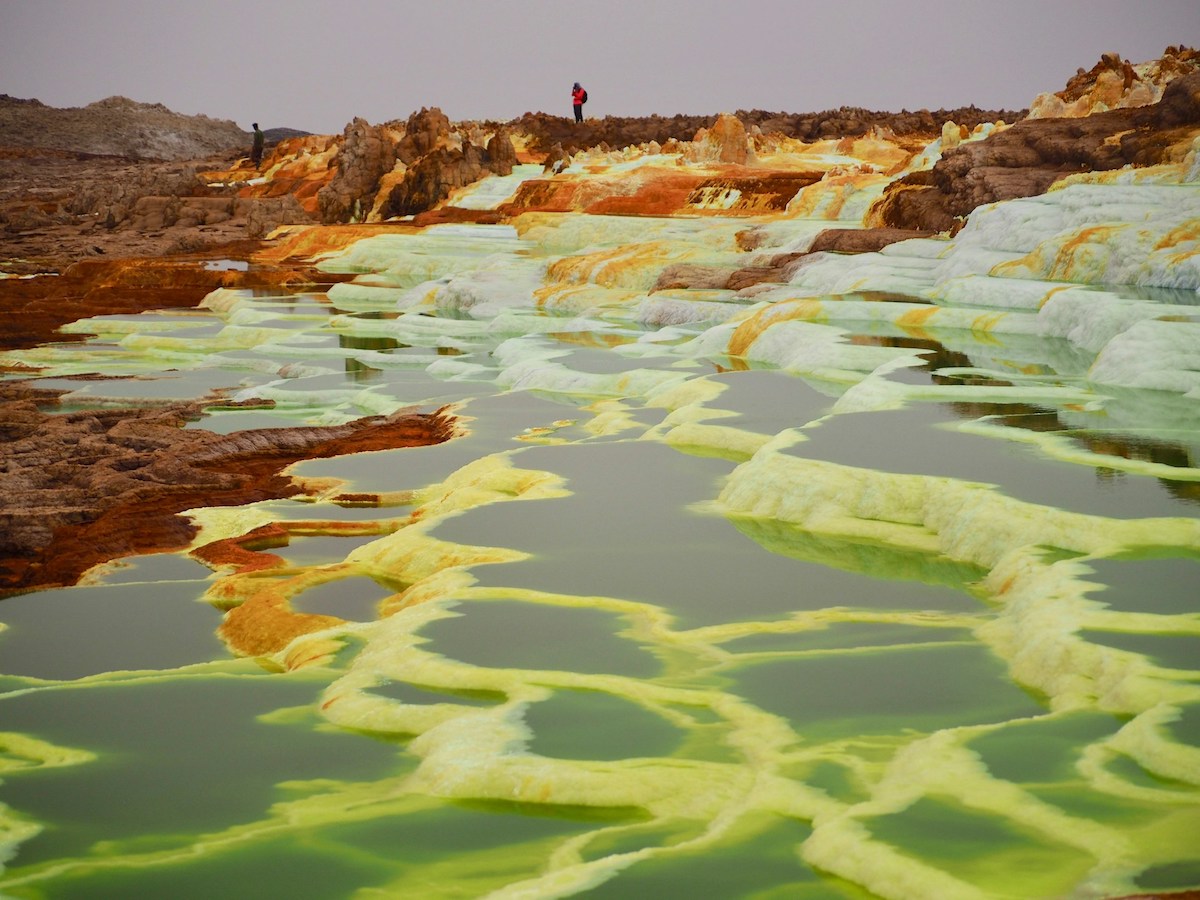
Ethiopia’s diverse landscapes offer countless opportunities for adventure and exploration. This East African gem is a haven for thrill-seekers and outdoor enthusiasts alike.
If you like hiking, you’ll love the Simien mountains, with their dramatic peaks, lush valleys, and unique wildlife.
Or head east, into the desert and the otherworldly Danakil Depression, one of the hottest and most inhospitable places on Earth. Here you can marvel at surreal landscapes, bubbling sulfur pools, colourful mineral formations, and active volcanoes.
Final Thoughts
Ethiopia is one of my favourite countries in the world. The fascinating traditions, incredible food, majestic landscapes, and vibrant culture combine to form a travel experience that’s unique, humbling, and incredibly enriching.
Whether you’re looking to explore ancient ruins, trek through rugged mountains, or simply immerse yourself in a rich and distinctive culture, Ethiopia should be firmly on your list.
Additional Information on Visiting Ethiopia
Ethiopia Travel Tips:
- Most of Ethiopia is relatively safe most of the time, but it’s wise to stay vigilant, especially in crowded areas.
- Always keep updated on the current political situation and follow local news, as the security situation can change from time to time.
- English is spoken in major cities and tourist spots, but learning a few basic Amharic phrases can enhance your experience significantly.
- Local transportation varies in quality. I’ve been on some great Ethiopian buses as well as some truly awful ones.
- Consider hiring a car with a driver for convenience, especially if you’re travelling on a strict schedule.

Best Time to Visit Ethiopia:
- The best time to visit Ethiopia is during the dry season, from October to May. This is the ideal time of year for trekking and sightseeing.
- The rainy season, from July to September, can hinder travel to rural areas.
Top Destinations to Visit:
- Addis Ababa: The capital city, known for its museums, markets, and vibrant cultural scene.
- Lalibela: Famous for its rock-hewn churches and unique historical significance.
- Simien Mountains National Park: Offers stunning trekking opportunities and wildlife viewing.
- Gondar: Known as the “Camelot of Africa,” with its medieval castles and churches.
- Danakil Depression: One of the hottest and most alien landscapes on Earth, offering a truly unique adventure.