
With its rich history, vibrant culture, and breathtaking landscapes, Cuba is a dream destination for any adventurous traveller.
From the rhythm of salsa in the streets of Havana to the pristine beaches of Varadero, this Caribbean gem promises an experience that will leave you captivated and longing for more.
7 Reasons Why You Should Visit Cuba in 2024
Stepping onto Cuban soil is like stepping back in time, where classic cars roll through streets lined with pastel-coloured buildings, and the air is filled with salsa and spices. I’ve never been anywhere quite like Cuba, it’s a very special place.
So pack your bags and get ready for an adventure of a lifetime. Cuba awaits, ready to welcome you with open arms.
Here are seven reasons why you should visit Cuba in 2024:
1. Rich Cultural Heritage

Cuba’s cultural heritage is truly something to behold. It’s a vibrant, sensory feast, from the rhythm of salsa music to the vivid brushstrokes of its art scene.
Imagine the air filled with the iconic sounds of the Buena Vista Social Club, setting your feet tapping to its infectious rhythm.
Walk through streets bursting with colourful murals and sculptures, each narrating Cuba’s resilient and storied past. Cuba is like a living, breathing museum of culture and history.
Havana’s colonial architecture transports you back in time. Its aged walls echo stories of revolutions and endurance. Wander its atmospheric streets, soak in its rich heritage, and you’ll find yourself completely absorbed, eager to explore every corner.
2. Beautiful Beaches and Natural Scenery
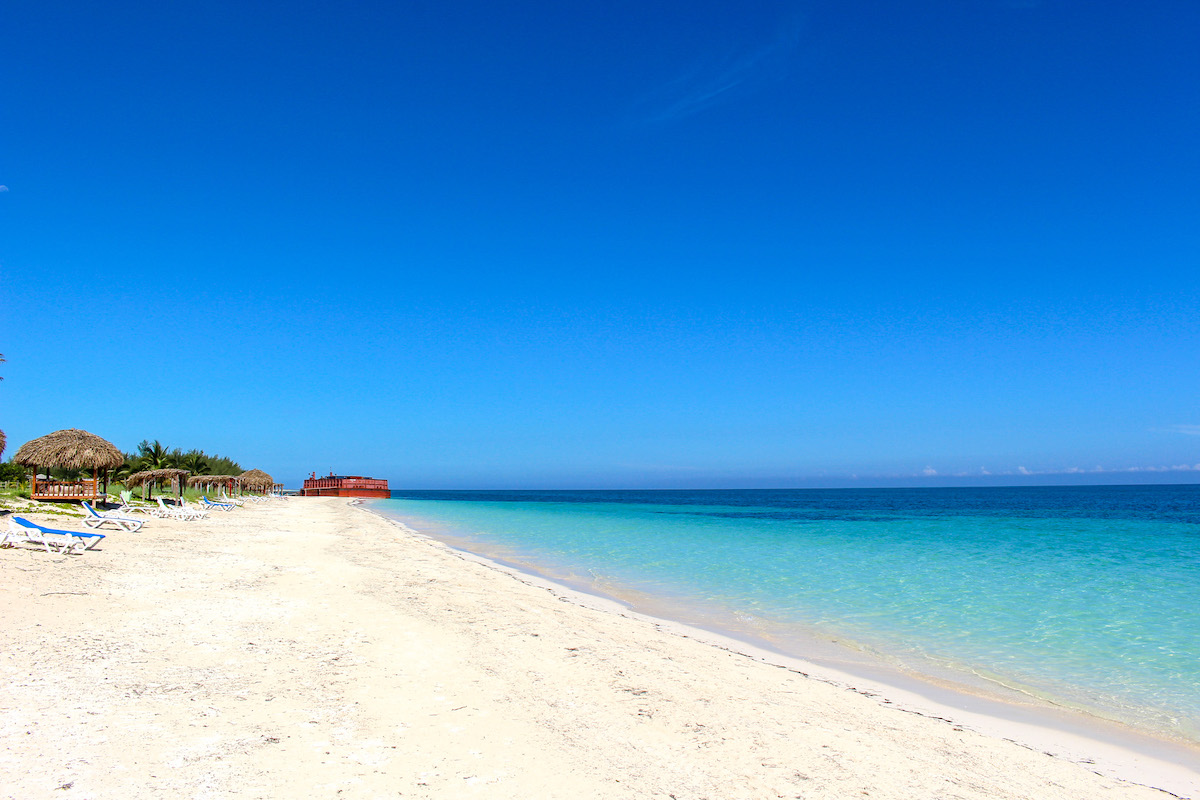
Cuba is a tropical paradise that boasts breathtakingly beautiful beaches and stunning natural scenery. With its crystal-clear turquoise waters and powdery white sands, Cuba’s beaches are truly a sight to behold.
From Varadero’s long stretches of pristine shoreline to Cayo Coco’s secluded coves, there’s a beach for every taste. But it’s not just the beaches that make Cuba a must-visit destination.
The country is also home to lush landscapes, verdant rainforests, rolling hills, and picturesque valleys.
Whether you’re hiking in the majestic Sierra Maestra mountains or wandering through the Viñales Valley, Cuba’s natural beauty is sure to captivate you.
3. Authentic Cuban Cuisine

Despite having something of a reputation for sub-par food, Cuba is actually a culinary paradise – if you know where to look!
The country’s rich history and diverse cultural influences have shaped Cuba’s unique cuisine. Flavours are bold, colours are vibrant, and you’ll notice a unique blend of Spanish, African, and Caribbean influences.
Garlic, cumin, and citrus infuse many traditional Cuban dishes. From succulent lechon asado (roasted pork) to ropa vieja (slow-cooked shredded beef) and the classic Cuban sandwich, each dish tells a story of the island’s heritage.
For dessert, be sure to try tres leches, a sponge cake soaked in three types of milk, or the decadent flan de caramelo, a creamy caramel custard pudding that melts in your mouth.
4. Fascinating Historical Sites
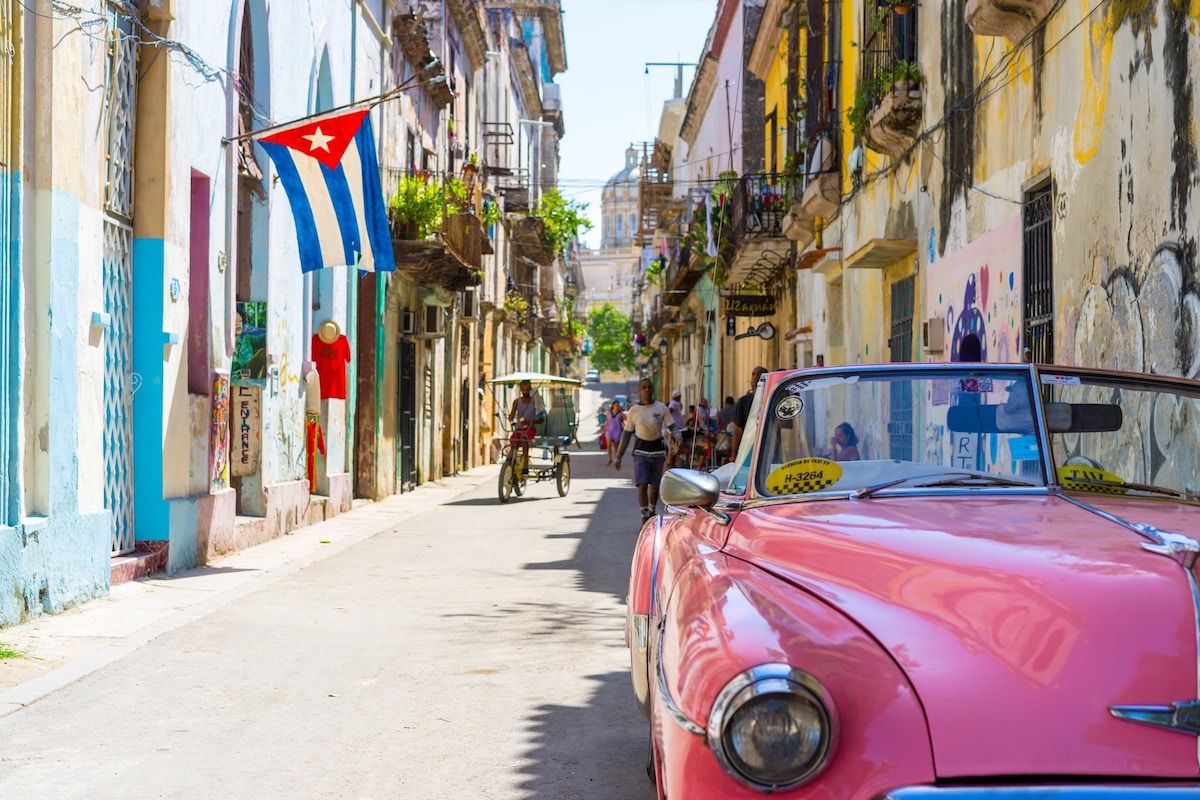
The colonial architecture in Cuba is a sight to behold, with its colourful facades and intricate details. Walking through the streets of Havana, Trinidad, or Cienfuegos is an incredible experience in itself.
These buildings reflect the influence of Spanish, French, and African cultures, creating an iconic blend of styles. Historical landmarks like the Castillo de la Real Fuerza and the Plaza de la Catedral showcase the country’s storied past.
Don’t miss the opportunity to explore these remarkable sites and experience the magic of Cuba’s unique heritage.
5. Lively Music and Dance Scene

Cuba’s lively music and dance scene is a vibrant and integral part of its rich culture. From the infectious beats of salsa to the sultry melodies of son, Cuba is home to a diverse range of musical genres.
The locals’ innate ability to dance with grace and flair adds an extra layer of excitement, making you want to join in on the fun. And you should! Immerse yourself in the island’s soul-stirring rhythms and passionate moves.
Whether you’re strolling through the streets of Havana or stepping into a lively dance club, Cuba’s music and dance culture will ignite your senses and leave you longing for more.
6. Warm and Welcoming People
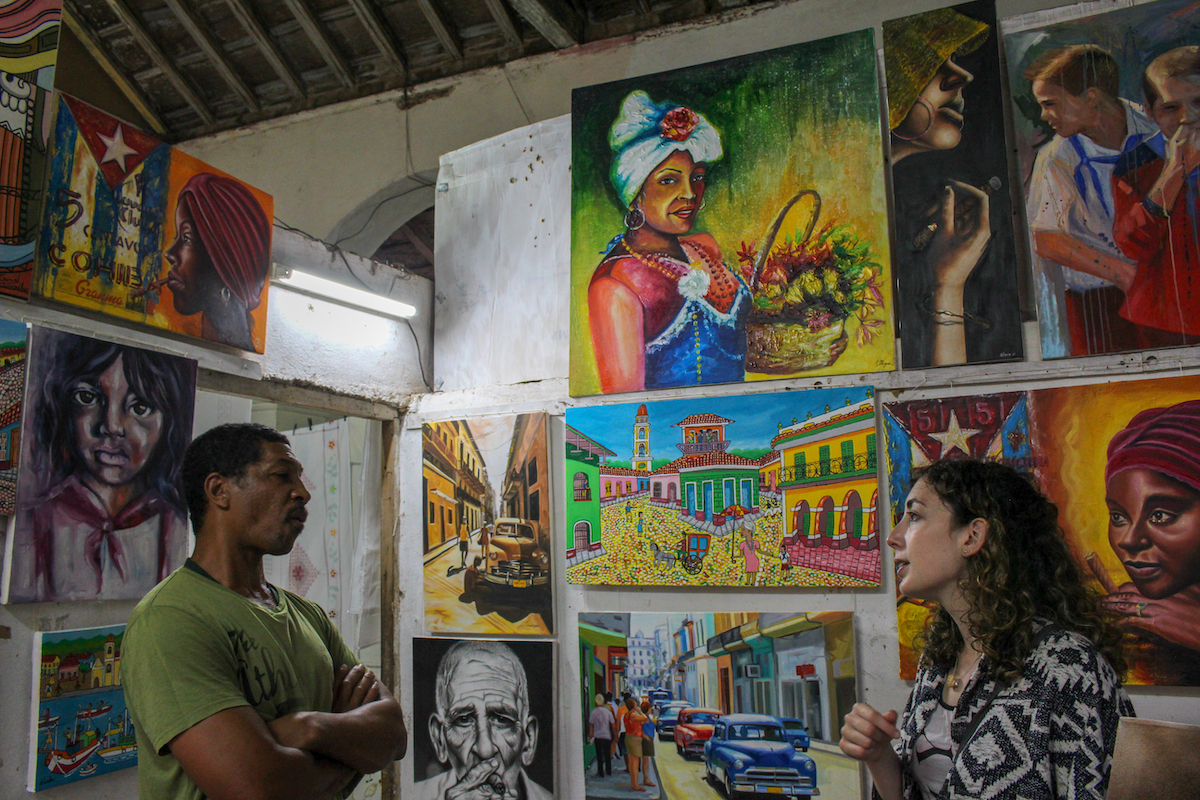
Cuba’s warm and welcoming locals are renowned for their genuine hospitality and friendliness, making it a destination that truly embraces visitors with open arms.
From the second you arrive, you’ll be greeted by smiling faces and warm greetings, creating a sense of belonging and instant connection.
When exploring the vibrant streets of Havana and the lush countryside, I was blown away by the warmth and kindness of the Cuban people.
Whether you’re sharing stories over a cup of strong Cuban coffee or dancing salsa late into the night, the locals go above and beyond to ensure visitors feel like family.
7. Unique Travel Experiences

Cuba is a totally unique place packed full of one-of-a-kind experiences.
Whether you’re exploring the iconic streets of Havana or horseback riding through the distinctive landscapes of Viñales Valley, you won’t be in any doubt about where you are.
Get a real taste of Cuban life as you explore the charming colonial buildings and indulge in the local cuisine. Take a ride in a vintage car – they’re everywhere!
And don’t miss Pinar del Río, where you can see Cuba’s famous tobacco fields and witness the traditional art of cigar rolling first-hand. You can even try making your own.
Final Thoughts
Cuba’s vibrant streets, idyllic beaches, and timeless atmosphere will linger in your memory long after you leave. It’s a place that left a lasting impression on me. I’m sure it will for you too.
It’s a country where people embrace life with open arms and warm hearts. Cuba is an unforgettable place to visit. Why not make 2024 the year you finally get to experience it for yourself?

Additional Information on Visiting Cuba
Cuba Travel Tips:
- Cuba is one of the safest countries in the Western Hemisphere, but the usual rules for valuables and personal safety in crowded areas still apply.
- English is spoken in popular tourist areas. Spanish is the main language of Cuba, and knowing some basic phrases of Spanish can enhance your experience considerably.
- Transportation is generally a mix of state-run buses, vintage cars, and regular taxis. Renting a car is possible but can be more complex than in other countries.
Best Time to Visit Cuba:
- The best time to visit Cuba is during the dry season from November to April, with warm weather and less rainfall.
- The dry season is more comfortable for travel and offers better conditions for outdoor activities.
- Avoid hurricane season from June to October.
Top Destinations to Visit:
- Havana: The vibrant capital is known for its well-preserved historical architecture, lively music scene, and classic cars.
- Varadero: Famous for its stunning beaches and clear waters, ideal for relaxation and water sports.
- Cayo Levisa: A tiny, unspoilt island off the north coast of Cuba, great for a picturesque off-the-beaten-path beach getaway.
- Trinidad: A UNESCO World Heritage site with beautifully preserved colonial architecture.
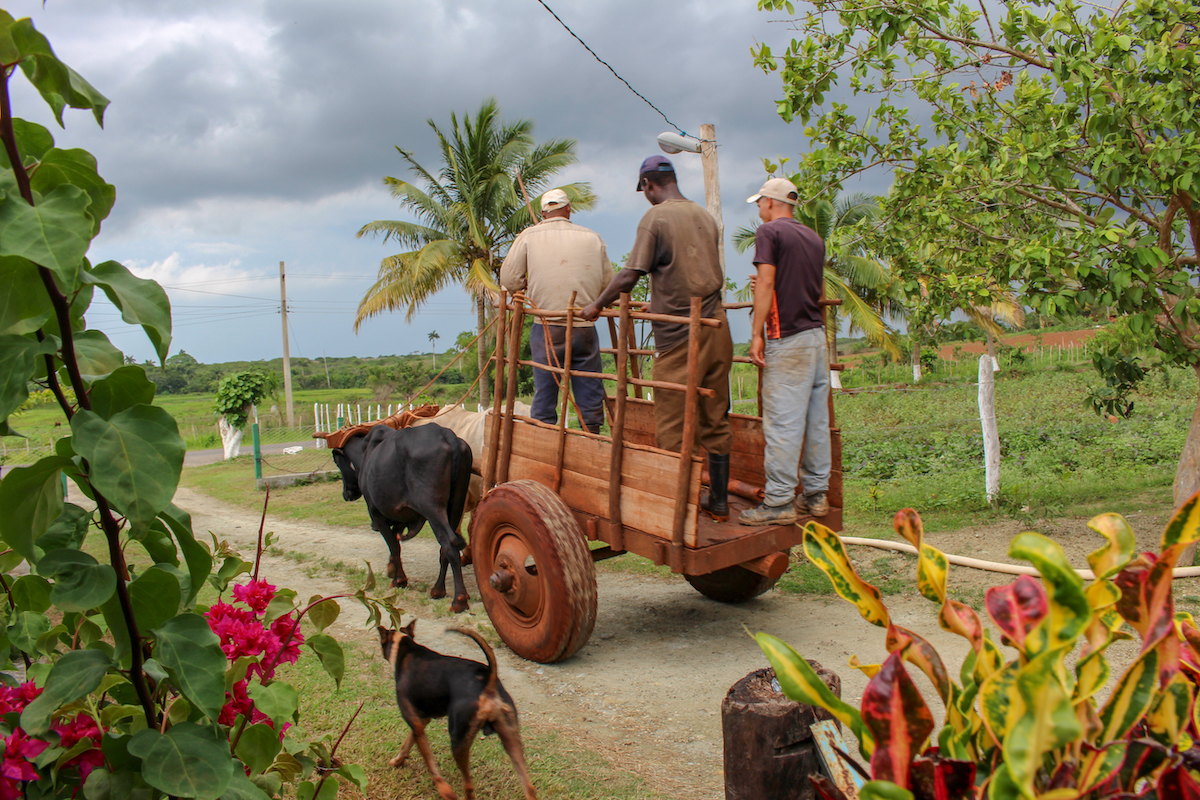
- Viñales Valley: Renowned for its tobacco farms, traditional rural life, and striking karst landscapes.
- Cienfuegos: Known as the “Pearl of the South,” with elegant French colonial architecture and a picturesque bay.


