
Nestled along the glistening shores of the Adriatic, Croatia offers a mesmerizing blend of natural beauty, rich history, and vibrant culture.
I’ve been to Croatia four times. Each time I visit, I’m blown away by its awe-inspiring landscapes, enchanting medieval towns, and welcoming people.
7 Reasons Why You Should Visit Croatia in 2024
Whether you’re looking for a tranquil seaside getaway, a cultured city break, or an action-packed adventure holiday, Croatia will captivate your senses.
If you haven’t already visited this dreamy Balkan gem, make 2024 the year that you finally do. And if you’ve already been, why not explore a different part of this diverse and beautiful country?
Here are 7 reasons why you should visit Croatia in 2024:
1. Stunning Coastline and Islands
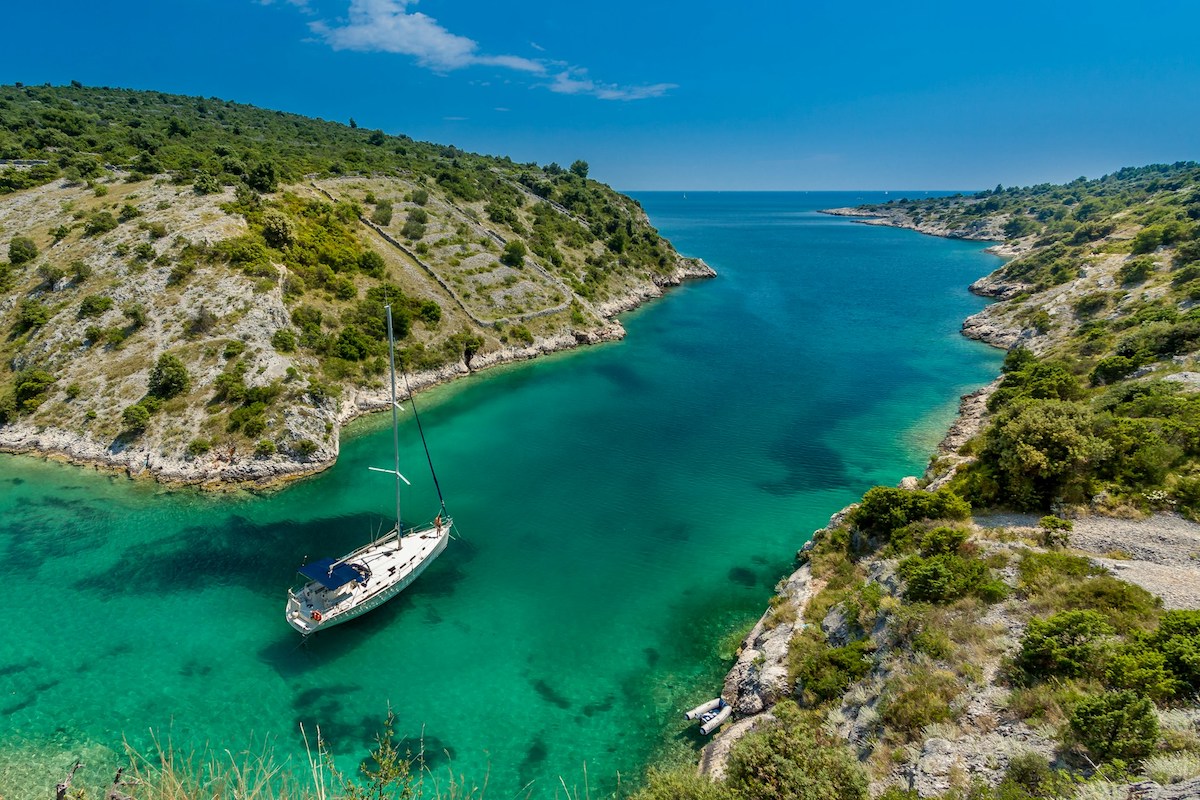
Croatia’s coastline and islands offer a mesmerizing blend of natural beauty and charm. With crystal-clear turquoise waters and spectacular landscapes, exploring Croatia’s Dalmatian Coast is an unforgettable experience.
The enchanting islands and secluded coves scattered along the coast provide a paradise-like escape, each with its own unique character and allure.
Whether you’re strolling through the narrow streets of Dubrovnik, discovering hidden beaches in Hvar or Vis, or sailing around the Kornati Islands, Croatia’s coastal landscapes are drop-dead gorgeous.
2. Rich Historical Heritage
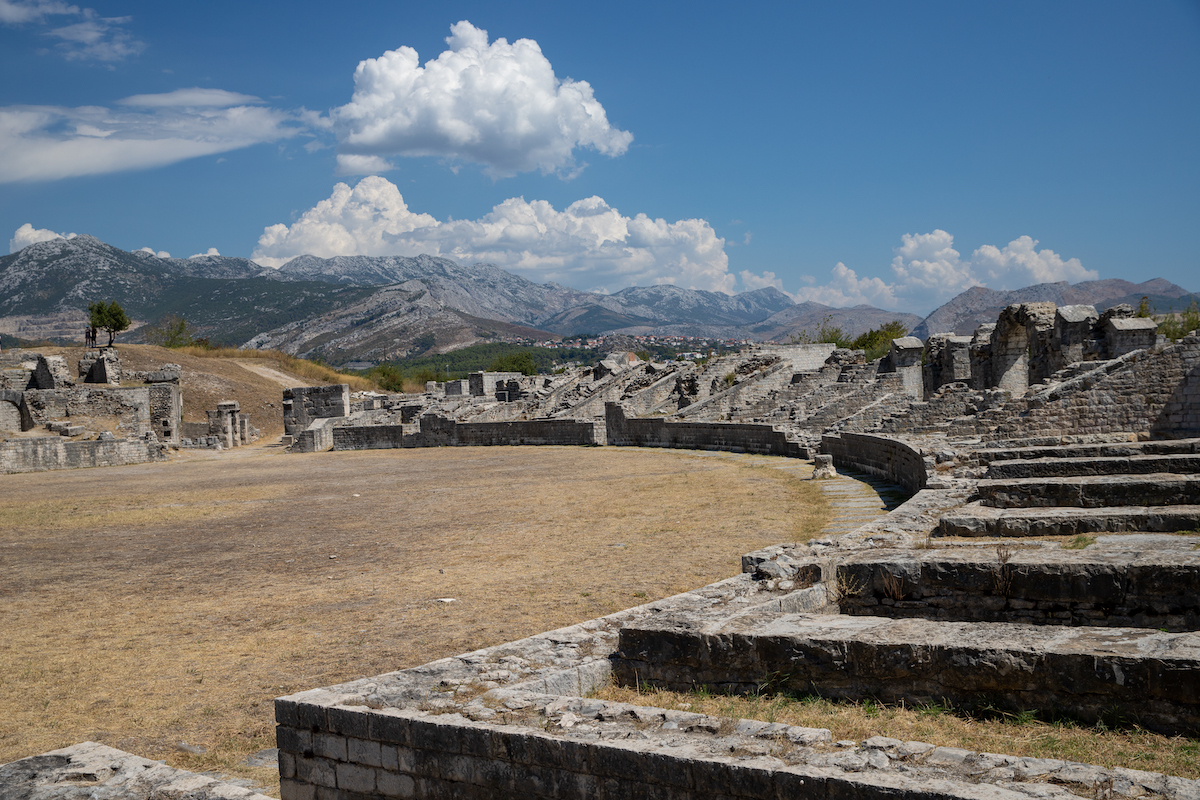
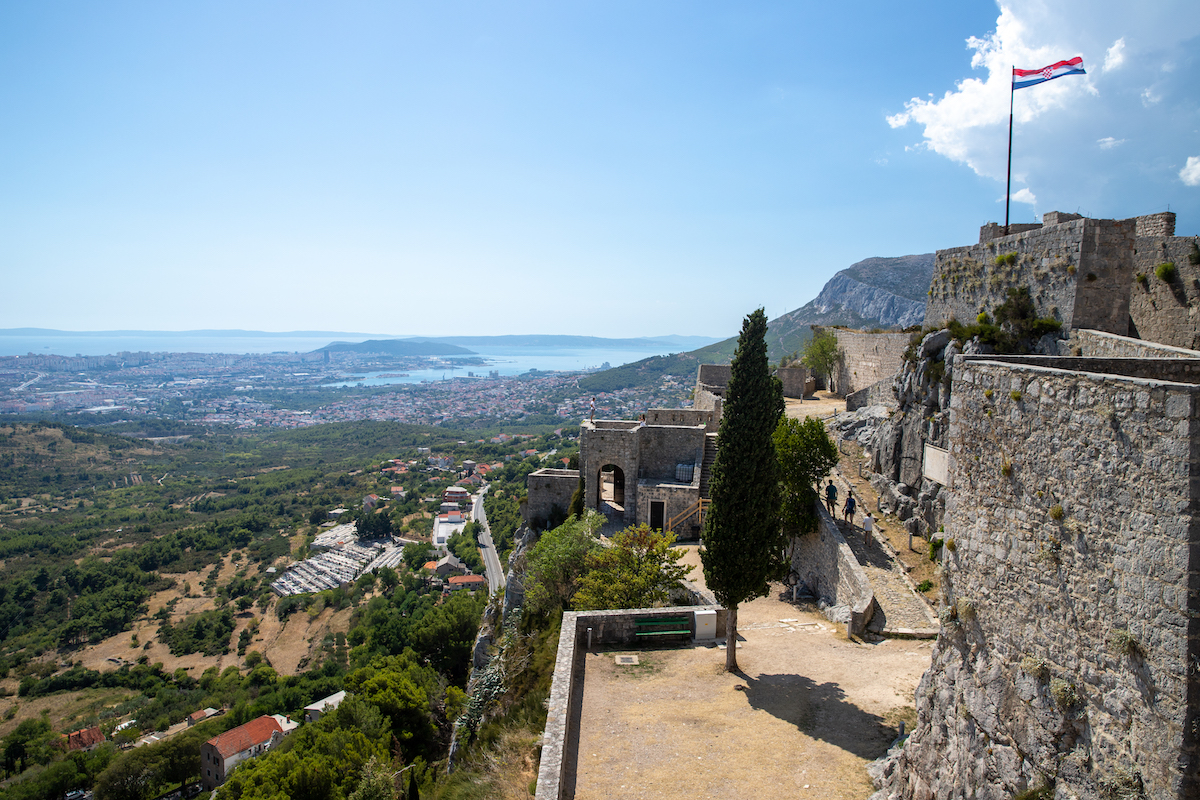
Exploring Croatia is like stepping back in time. The country’s rich history unfolds through its stunning historical sites, medieval towns, and Roman relics.
The vibrant city of Split, which encompasses the 1,700-year-old Diocletian’s Palace, seamlessly blends history with modern life. Then there’s Dubrovnik, encased in its iconic walls, oozing charm and history at every corner.
Other highlights include the Pula amphitheatre, echoing tales of gladiators from long ago, and the quaint, history-laden streets of Zadar, dotted with Romanesque churches.
Croatia’s past is a colourful mosaic of different cultures and eras. Wandering through its cities is like unravelling a storybook of ages long past.
3. Tasty Croatian Cuisine

Croatian cuisine offers a delightful mix of flavours and influences that reflect the country’s rich cultural heritage. The cuisine is diverse, with regional specialities that vary across the country.
From the coastal regions, you can feast on fresh seafood dishes like black risotto and grilled fish, accompanied by local white wines such as Posip or Malvasia.
Inland, traditional dishes like ćevapi (similar to grilled koftas) and sarma (cabbage rolls filled with meat and rice) are popular. Another speciality is peka, a slow-cooked meat and vegetable dish prepared under an iron bell.
To satisfy your sweet tooth, try some traditional desserts like palačinke (Croatian pancakes) and fritule (deep-fried dough balls).
4. Outdoor Adventures and Natural Wonders
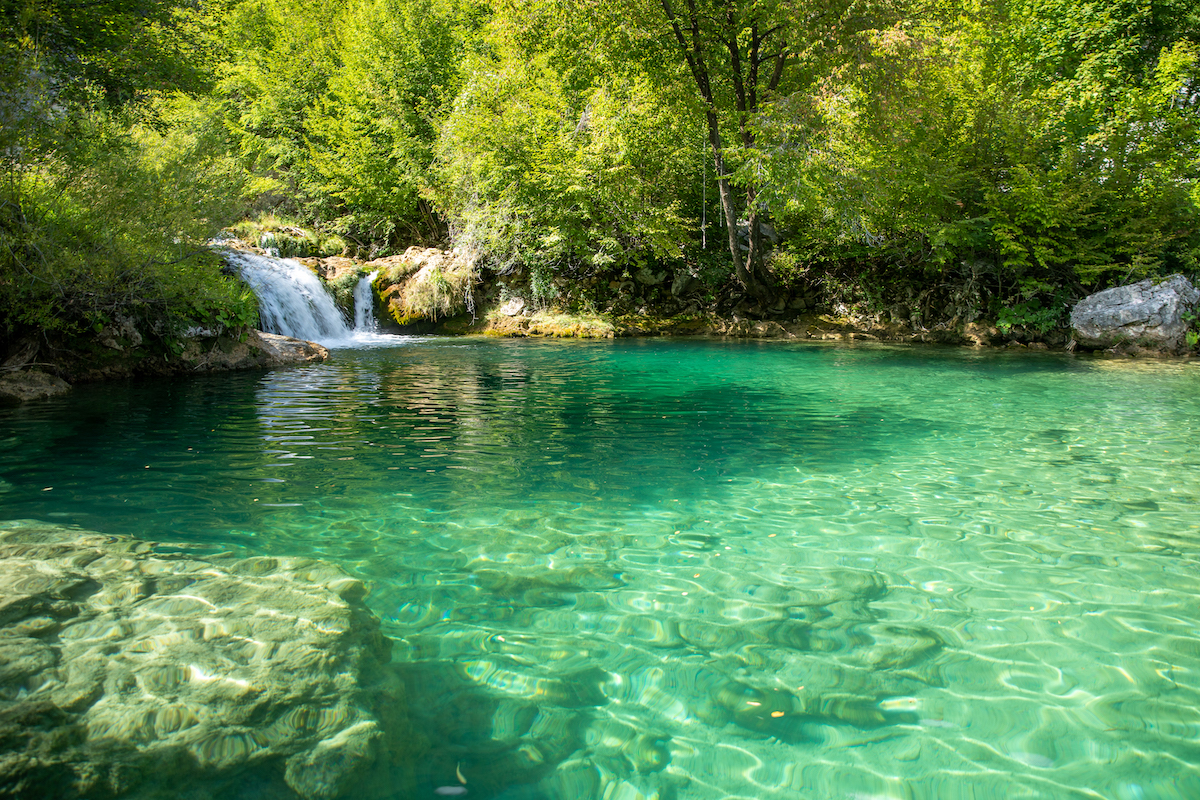
Croatia is a haven for lovers of the great outdoors. With its stunning Adriatic coastline and numerous national parks, this Mediterranean gem punches well above its weight when it comes to natural beauty and outdoor fun.
Embark on a sailing journey through its turquoise waters, discovering hidden coves and secluded islands along the way.
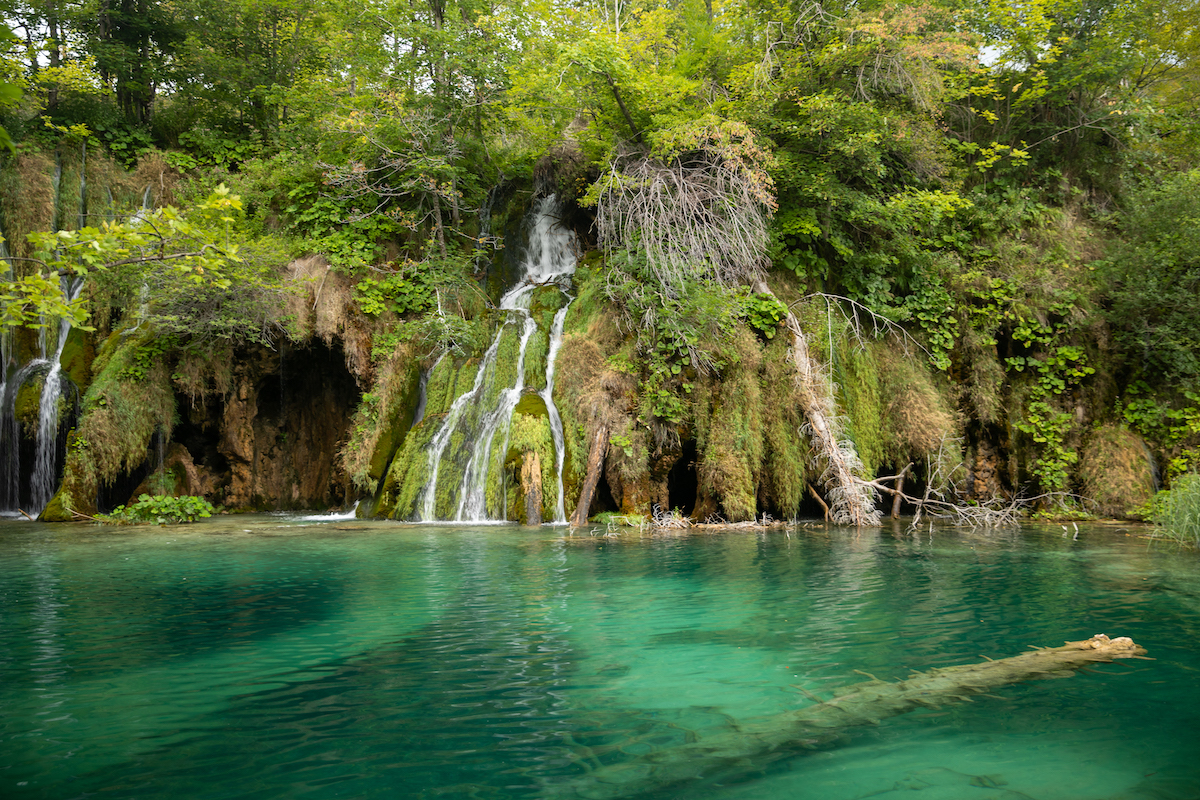
Or grab your hiking boots and explore the pristine beauty of Plitvice Lakes and Krka National Parks. Here you’ll find cascading waterfalls, serene colourful lakes, and lush greenery all accessible via a range of trails.
5. Vibrant Music and Cultural Festivals
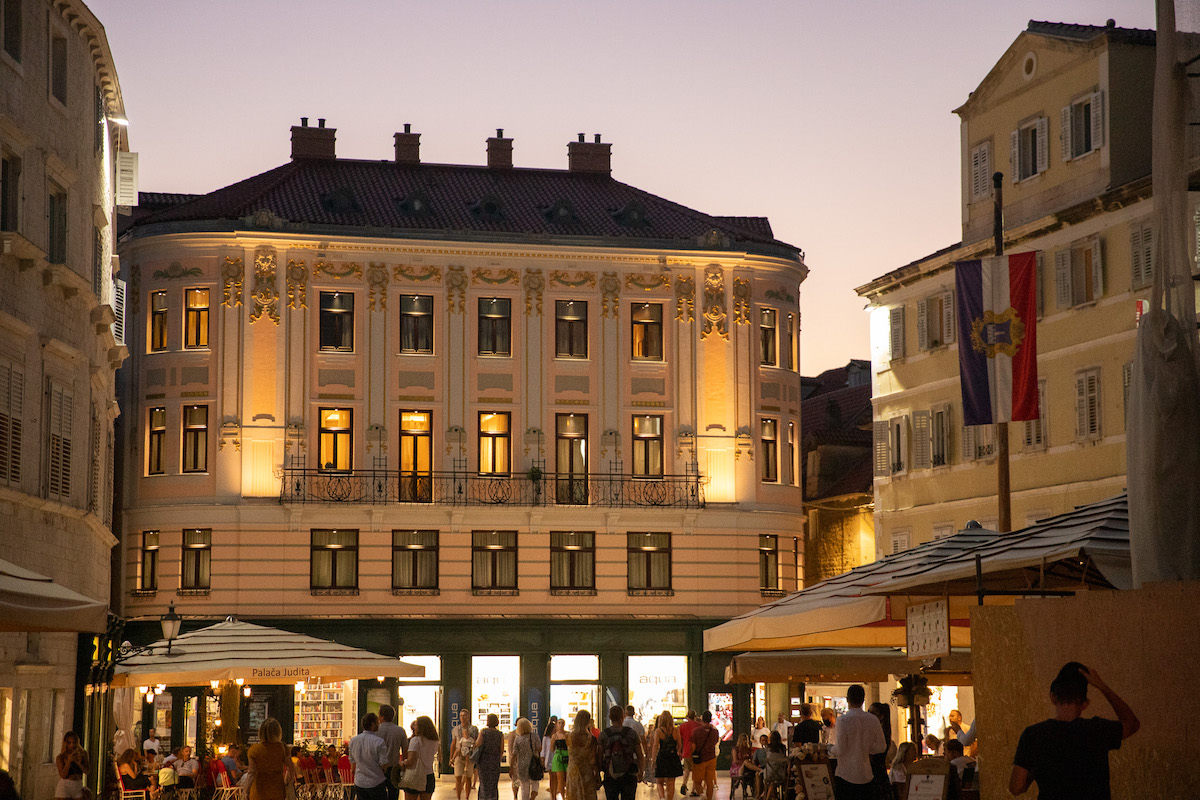
Croatia is also known for its numerous festivals, concerts, and other events. From lively music festivals to traditional cultural gatherings, Croatia has something to offer whatever your tastes.
The Ultra Europe Festival is held each summer (usually in July) and attracts some of the world’s top EDM DJs and electronic music lovers from around the globe.
The Dubrovnik Summer Festival runs every year in July and August, showcasing a range of classical music, opera, theatre, art, and dance performances.
There are many other festivals held throughout the year in different parts of the country. Some are centred around music, some around food, and others around traditional cultural celebrations.
6. Gorgeous Cities and Architecture
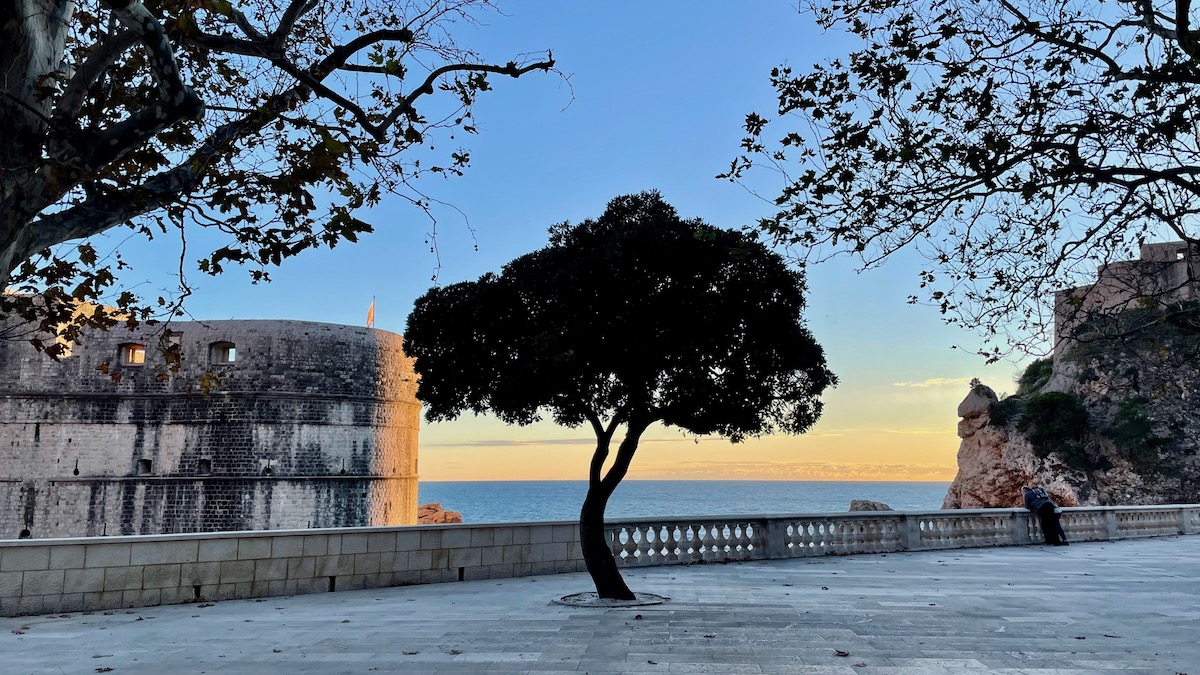
Croatia is a country filled with charming cities and awe-inspiring architecture. With its rich history and diverse cultural influences, exploring Croatia’s architectural wonders and historic cityscapes is a truly enchanting experience.
From the beautiful coastal town of Dubrovnik to the ancient city of Split, Croatia offers a unique blend of urban beauty and architectural marvels.
Wander through the narrow cobblestone streets, admire the intricate details and designs of ancient, Gothic, and Renaissance buildings, and soak in the unique atmosphere.
7. Accessible and Diverse Travel Experiences

Croatia is a very accessible and easy place to visit. Public transport is good, the roads are in excellent condition, and there’s a huge number of accommodation options catering to a wide range of preferences and budgets.
From luxurious 5-star hotels to cheap (but high-quality) guesthouses and B&Bs, this beautiful country has something for everyone.
Whether you want to relax on pristine beaches, explore charming coastal towns, embark on an epic hike or sailing adventure, or immerse yourself in centuries-old history, Croatia has it all.
Final Thoughts
Croatia offers a rich tapestry of history, culture, and natural beauty. Its sun-drenched beaches, atmospheric ancient towns, and serene national parks make it a must-visit destination in 2024.
Whatever your tastes or interests, I’m sure you’ll love spending time in this incredible country. I certainly do.
Additional Information on Visiting Croatia
Croatia Travel Tips:
- Croatia is generally very safe for travellers, but it’s always wise to be cautious in busy tourist areas.
- English is widely spoken, especially in tourist hotspots, but making the effort to learn a few basic Croatian phrases is always appreciated.
- Public transport is efficient, with extensive bus and ferry networks. For more flexibility, consider renting a car, especially for exploring the coast and islands.
Best Time to Visit Croatia:
- The ideal time to visit Croatia is from May to June and September to October when the weather is pleasant and the tourist crowds are thinner.
- July and August are peak tourist months with hot temperatures.
Top Destinations to Visit:
- Dubrovnik: Renowned for its stunning Old Town and medieval walls, a UNESCO World Heritage site.
- Split: Known for the extensive Diocletian’s Palace and vibrant waterfront promenade.
- Plitvice Lakes National Park: Famous for its stunning lakes, waterfalls, and hiking trails.
- Hvar: A beautiful island known for its lavender fields, historical sites, and nightlife.
- Rovinj: A picturesque coastal town in Istria, known for its charming old town and excellent seafood.


