
Italy is a country that needs no introduction. Synonymous with art, history, gastronomy, and the good life, Italy has something for everyone.
It’s a destination where every corner reveals a masterpiece, whether in art, architecture, or cuisine, promising an unforgettable exploration of beauty and taste. Italy never fails to delight and enchant.
I’ve visited Italy several times and intend to return many more. There’s a lot to love about Italy, so much to see, do, and experience.
7 Reasons Why You Should Visit Italy in 2024
Italy offers a rich tapestry of experiences that blend centuries-old traditions with the zest of contemporary life. Its diverse regions, each with a unique character and charm, offer endless opportunities for exploration and discovery.
From the picturesque rolling hills of Tuscany to the stunning coastline of Amalfi and Puglia, there are so many reasons why Italy should be at the top of your travel list for 2024.
But you don’t have all day. So here are 7 of the best ones:
1. World-Renowned Art and Architecture
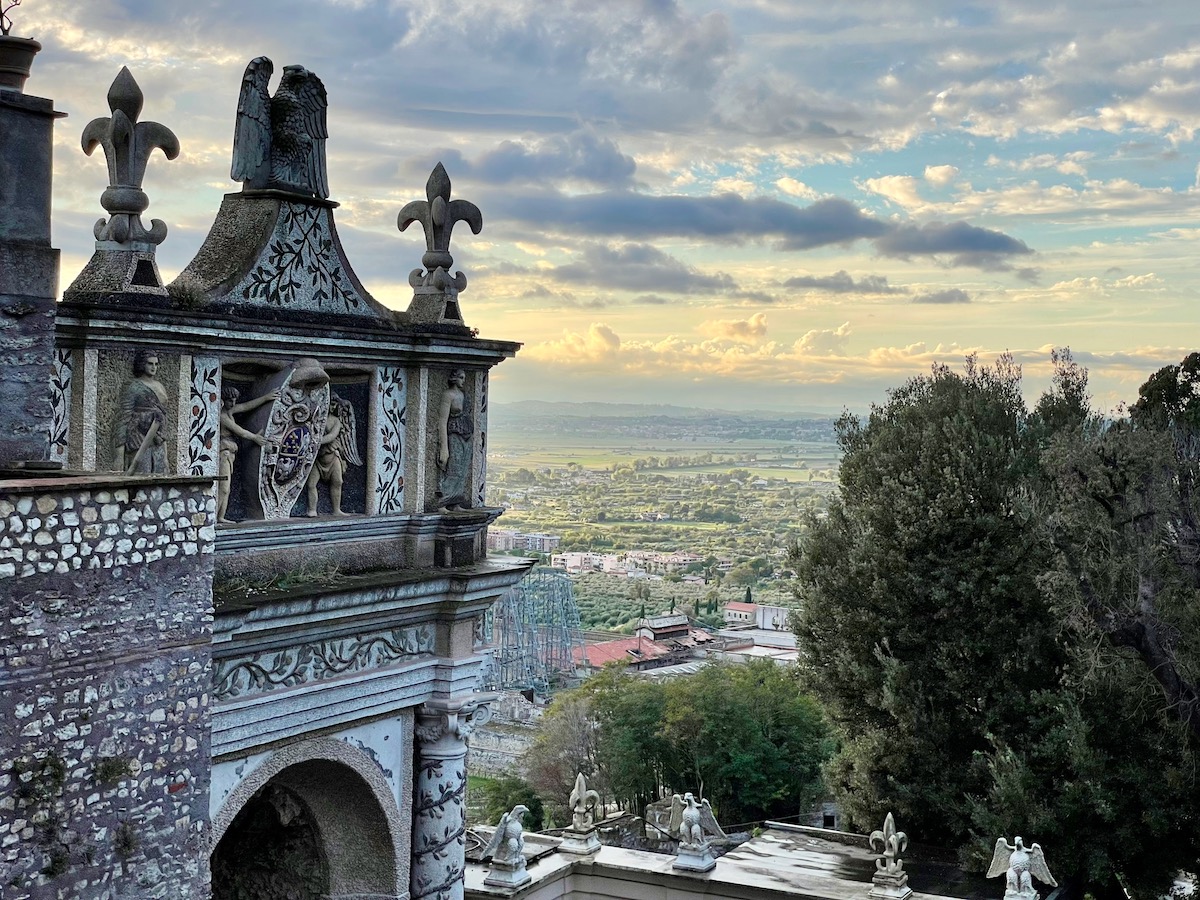
Italy has produced some of the world’s most iconic art and architecture. The country has more than its fair share of cultural treasures.
Visit the Vatican, home to some of the most famous works of art in the world, including Michelangelo’s Sistine Chapel ceiling and Raphael’s Stanze di Raffaello.
Take a stroll through Siena or Florence, dubbed the “Cradle of the Renaissance”, and admire their majestic cathedrals, churches, and palaces that will transport you back in time.
Or wander through the magical streets of Venice and marvel at its unique architecture and iconic canals.
Italy’s artistic and architectural wonders offer a glimpse into the past and will give you a profound appreciation for human creativity.
2. Exquisite Cuisine and Wine

It’s no secret that Italy is a food lover’s paradise, and every region boasts its unique specialities. What unifies them all is the emphasis on simplicity, quality, and flavour.
Feast on perfect pizzas in Naples, creamy risottos in Lombardy, aromatic pasta in Emilia-Romagna, fresh seafood on the coast, and decadent desserts pretty much anywhere!
It’s not just about the food – it’s also about the experience. The lively atmosphere of an Italian trattoria or the warm hospitality of a family-run osteria will make every meal a memorable one.
And of course, no Italian meal is complete without a glass (or two) of wine. The country also produces a phenomenal range of wines that perfectly complement all the amazing food.
From the bold reds of Sicily to the crisp whites of Tuscany, and everything in between, there’s a wine to suit every palate. Don’t miss the chance to tour a vineyard or enjoy a wine-tasting session and discover your new favourite Italian wine.
I always gain weight when I visit Italy. And you probably will too. But, trust me – it’s so worth it!
3. Diverse Natural Beauty
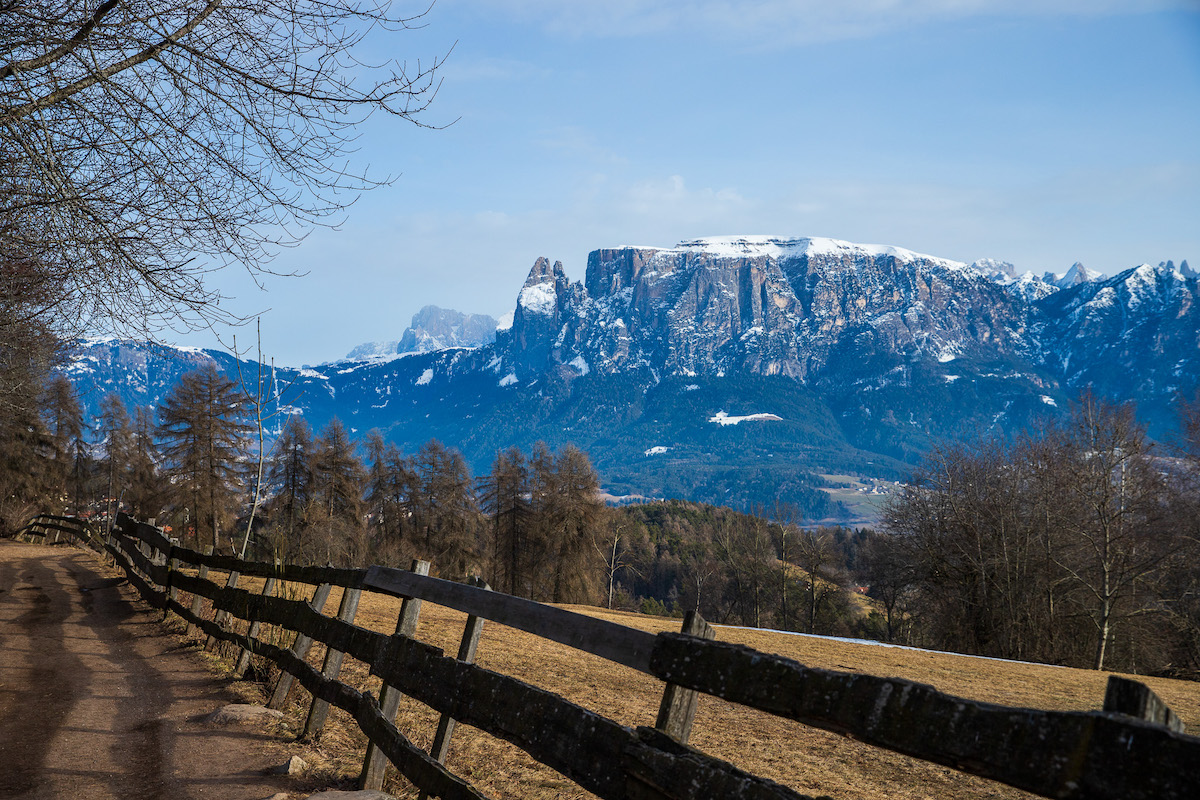
Italy’s natural beauty is breathtakingly diverse, from the snow-capped peaks of the Alps to the turquoise waters and sandy beaches of the Mediterranean.
Explore the famous coastline of Amalfi, with its picturesque villages perched on cliffs above the sea. Hike through Cinque Terre’s colourful towns clinging to the rugged cliffs, or sail to the idyllic island of Capri and swim in its crystal clear waters.
Venture further south to Puglia, known for its exquisite beaches. Or head to Sardinia and Sicily for a taste of true Mediterranean paradise.
Nature lovers are spoilt for choice in Italy with endless opportunities for outdoor adventures, scenic drives, and relaxation amidst stunning landscapes.
4. Rich Historical and Cultural Sites
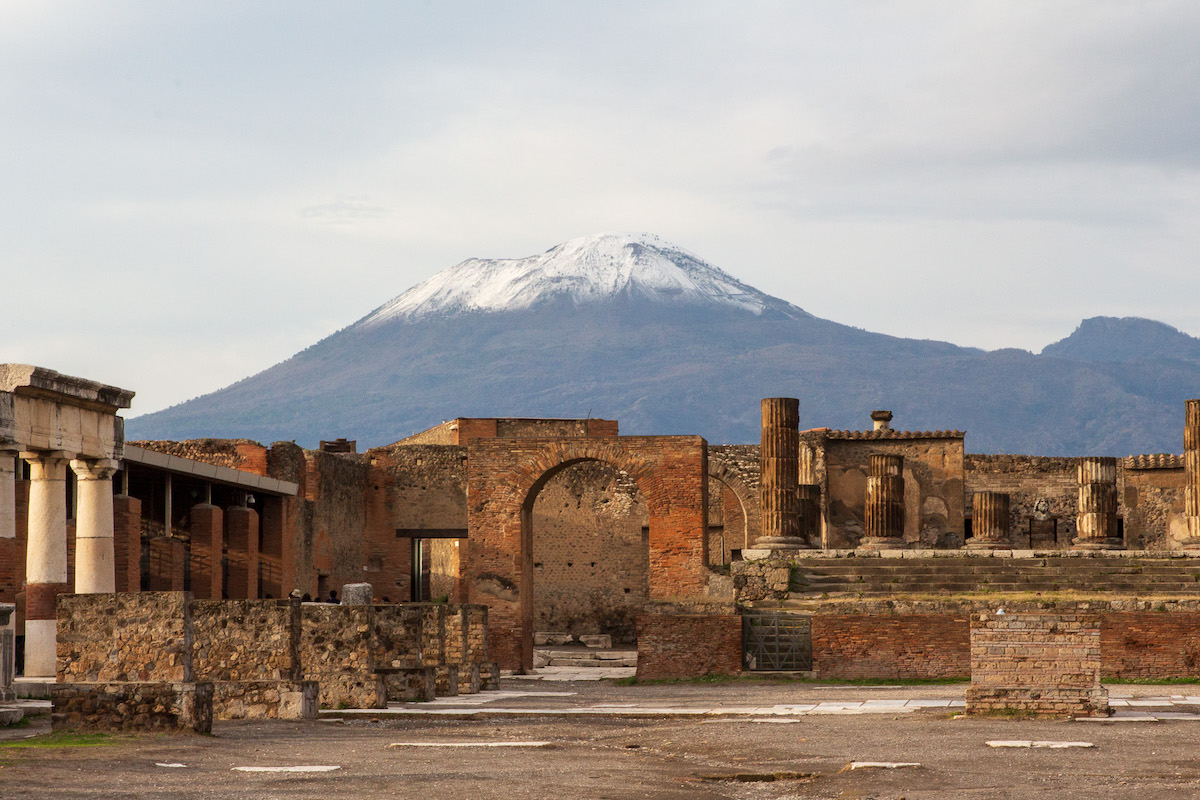
As one of the cradles of Western civilization, Italy is steeped in history and culture. It has been inhabited since ancient times, leaving a rich legacy that can be seen throughout the country.
The Roman Empire left its mark with countless impressive landmarks, including the Colosseum, Forum, and Pantheon in Rome. The ruined city of Pompeii (near Naples) is one of the most incredible and atmospheric places I’ve ever been.
Tuscany is packed full of amazing medieval architecture. While Venice’s Grand Canal and St. Mark’s Basilica form the proud remains of a city-state that ruled much of the Mediterranean for centuries.
5. Vibrant Local Festivals and Traditions
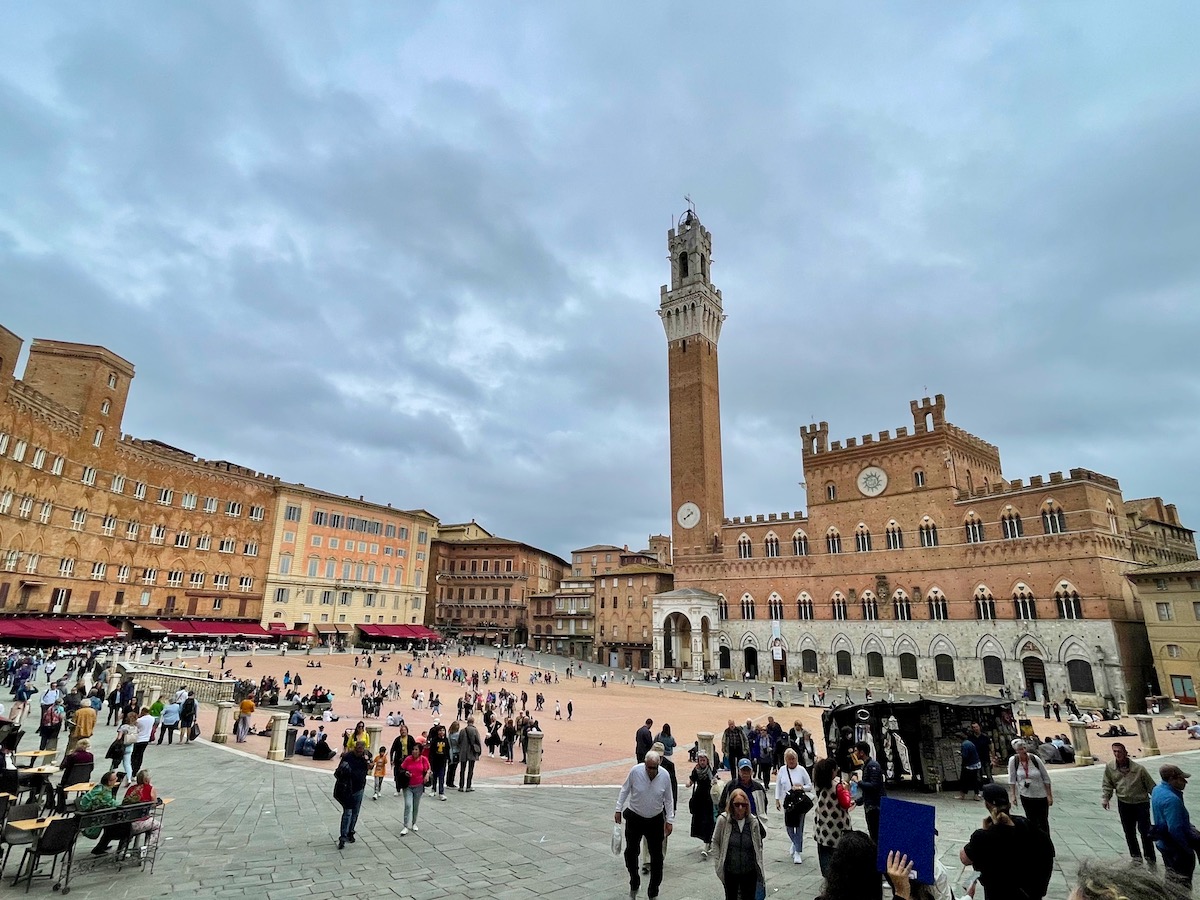
Italy has a strong sense of community and tradition, and nowhere is this more evident than in its many festivals and celebrations. Countless events offer visitors a glimpse into Italy’s rich cultural heritage.
Two of the most famous include the historic Palio di Siena and the world-renowned Venice Carnival. But there are also many local festivals dedicated to food, wine, music, and more.
For a more intimate experience, visit during Easter or Christmas to witness the country’s deeply-rooted religious traditions.
Or plan your trip around one of Italy’s many food festivals like the White Truffle Festival in Alba (held in October–November) or the Gelato Festival in Florence.
No matter when you visit, you’re sure to stumble upon a lively festival or celebration that will make your trip even more memorable.
6. Fashion and Design Hub
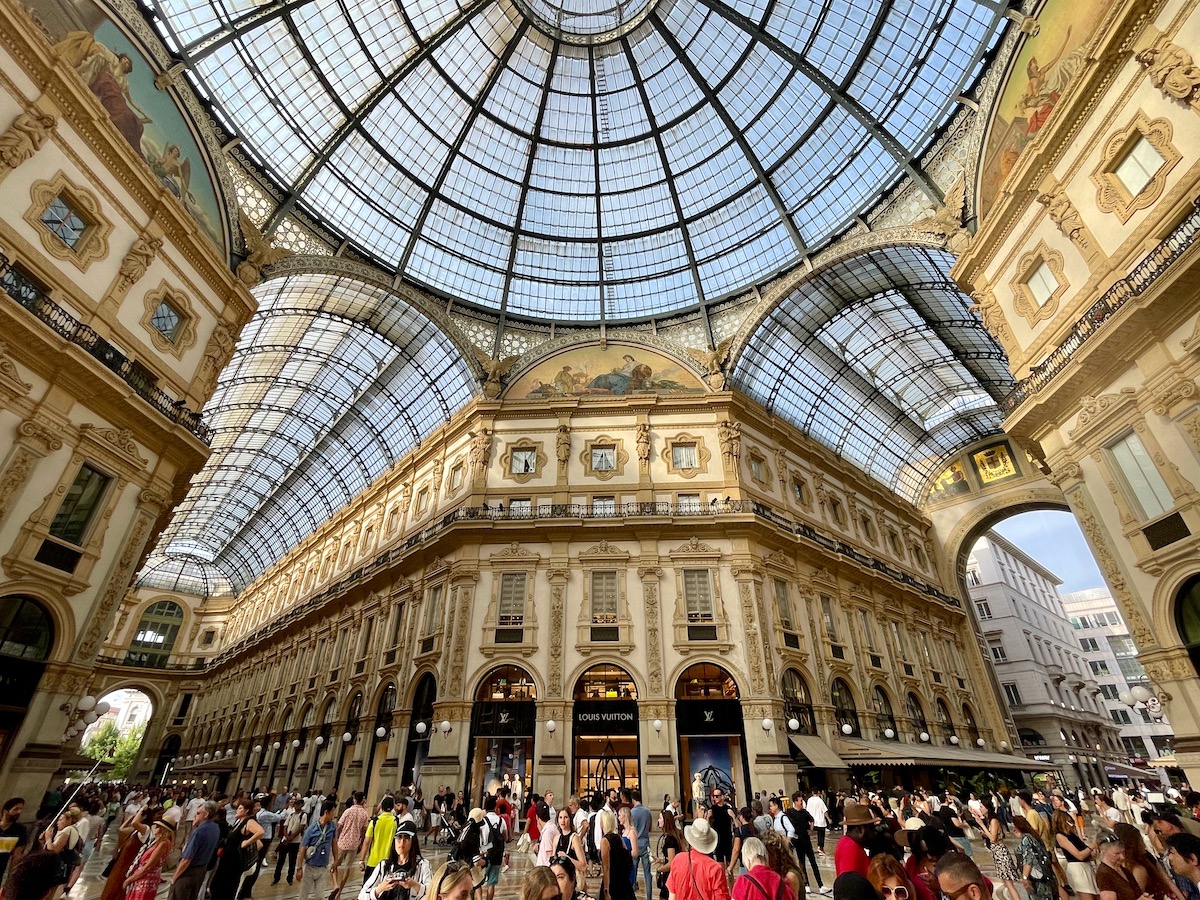
When it comes to fashion and design, Italy is a global leader. Milan is often referred to as the “Fashion Capital of the World”, and for good reason.
Home to luxury fashion houses like Versace, Armani, and Dolce & Gabbana, Milan is a city that lives and breathes style. Its Fashion Week draws in designers, models, and fashion lovers from all over the world.
But Italy’s influence on design goes beyond just fashion. The country is also renowned for its exceptional architecture, interior design, and furniture. Just look at the elegant buildings of Rome or the sleek design of Milan’s squares.
7. Charming Towns and Villages
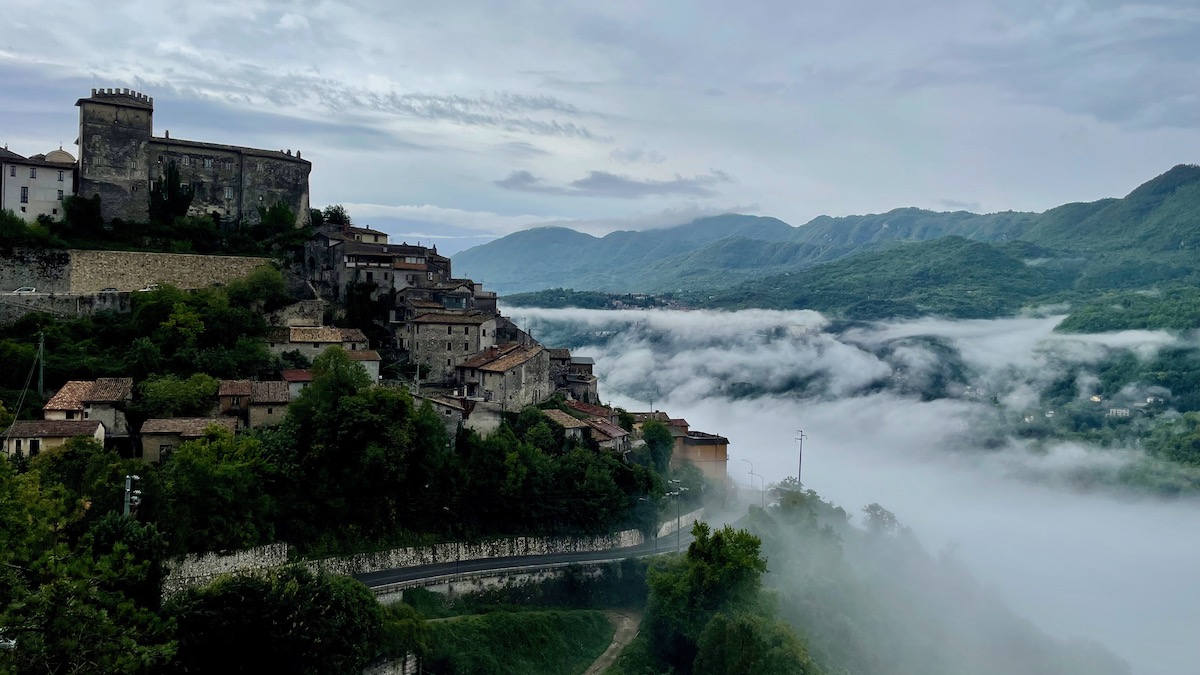
Last but certainly not least, Italy is home to some of the most charming towns and villages you’ll ever see. These picture-perfect destinations seem almost frozen in time, retaining their old-world charm and traditional ways of life.
Explore the magical streets of Roviano, a true hidden gem not far from Rome. Visit small hilltop towns like San Gimignano, known for its medieval towers. Or Civita di Bagnoregio, a picturesque village perched on a cliff.
These towns and villages offer a glimpse into the heart of Italy, with their quaint churches, bustling piazzas, and timeless backstreets.
Final Thoughts
For me, Italy’s allure lies in its effortless blend of history, culture, and natural beauty. It’s a truly timeless destination where every visit feels like a discovery of something new and extraordinary.
If you’ve never visited Italy before, make 2024 the year that you do. And if you’ve already been, why not go again?
Strolling through its ancient streets, enjoying its exquisite cuisines, and basking in its warm and friendly culture is an experience that never gets old. Pack your bags and get ready to fall in love with all that Italy has to offer!
Additional Information on Visiting Italy
Italy Travel Tips:
- Italy is a safe destination for tourists, but like anywhere, it’s advisable to be on the lookout for petty crime, especially in crowded places.
- English is commonly spoken in tourist areas, although it’s helpful to speak a few words and phrases of Italian if you’re planning to visit more rural places.
- Public transportation, including trains and buses, is efficient and connects most major cities and towns.
- Hiring a car can be useful if you want to venture off the beaten track.
Best Time to Visit Italy:
- The best time to visit Italy varies depending on your preferences.
- Spring (April to June) and early autumn (September to October) offer pleasant weather and fewer crowds.
- July and August are ideal months for spending time at the beach, but popular destinations can get crowded.
- Winter (December to February) is perfect for enjoying Italy’s cultural heritage with fewer tourists, although be prepared for cold weather, especially in the north.
Top Destinations to Visit:
- Rome: Explore the historic sites, including the Colosseum, Roman Forum, and Vatican City.
- Venice: Experience the charm of the canals, St. Mark’s Square, and the romantic gondola rides.
- Florence: Discover Renaissance art and architecture, with must-visit places like the Uffizi Gallery and Florence Cathedral.
- Amalfi Coast: Admire the incredible coastline, stopping off at picturesque villages like Positano and Amalfi.
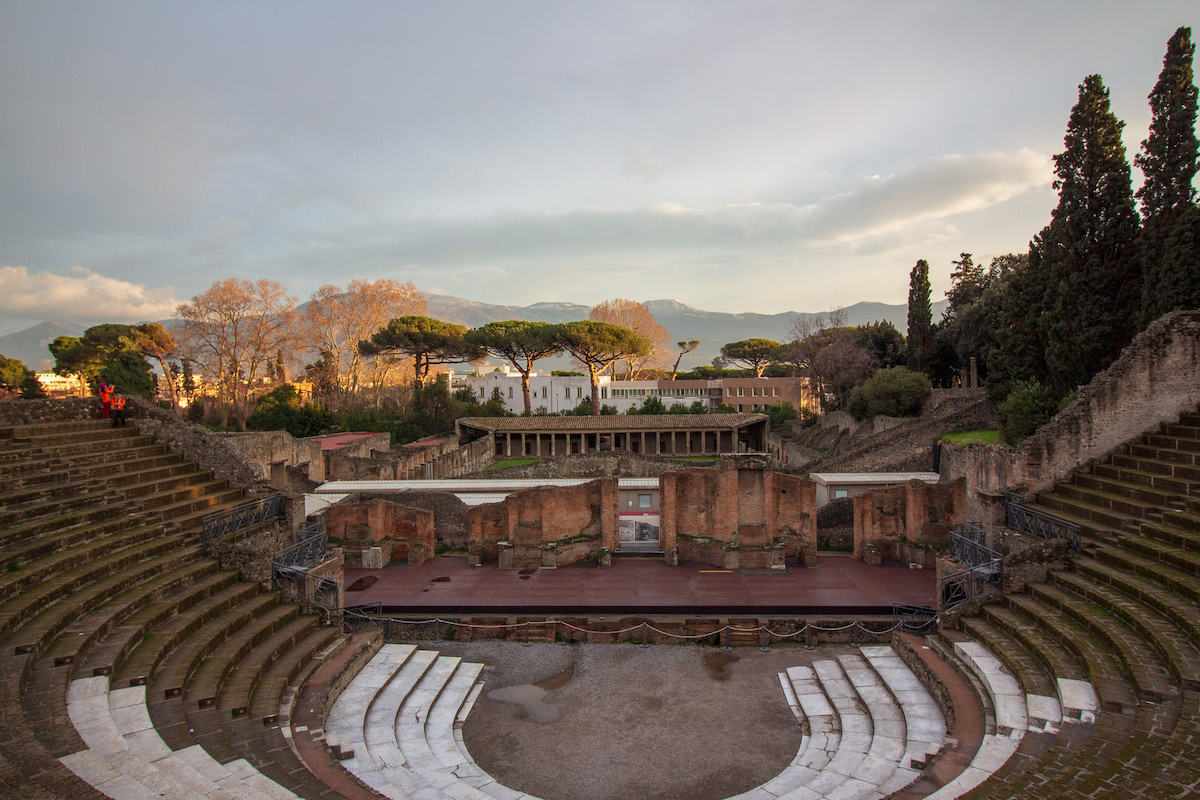
- Pompeii: Ruins of the ancient ancient Roman city destroyed by the eruption of Mount Vesuvius in 79 AD.
- Tuscany: Enjoy the rolling hills, vineyards, and medieval towns like Siena and San Gimignano.
- Cinque Terre: Hike the scenic coastal trails and explore the colourful villages of this UNESCO World Heritage site.


