
It’s tough to describe India – it’s so many different things, all at once. From its colourful festivals and bustling cities to its serene beaches and majestic mountains, India has something for every type of traveller.
I’ve travelled to India many times over the years and can confidently say this: India is a destination that will leave you both challenged and inspired, with memories to last a lifetime.
7 Reasons Why You Should Visit India in 2024
India is a country of immense diversity. Every state has its own unique culture, cuisine, and landscapes. It’s a place where ancient traditions coexist with modern innovation, creating an intoxicating blend of old and new.
So why not make 2024 the year you finally visit India? Here are seven reasons to convince you:
1. Rich Historical and Cultural Heritage
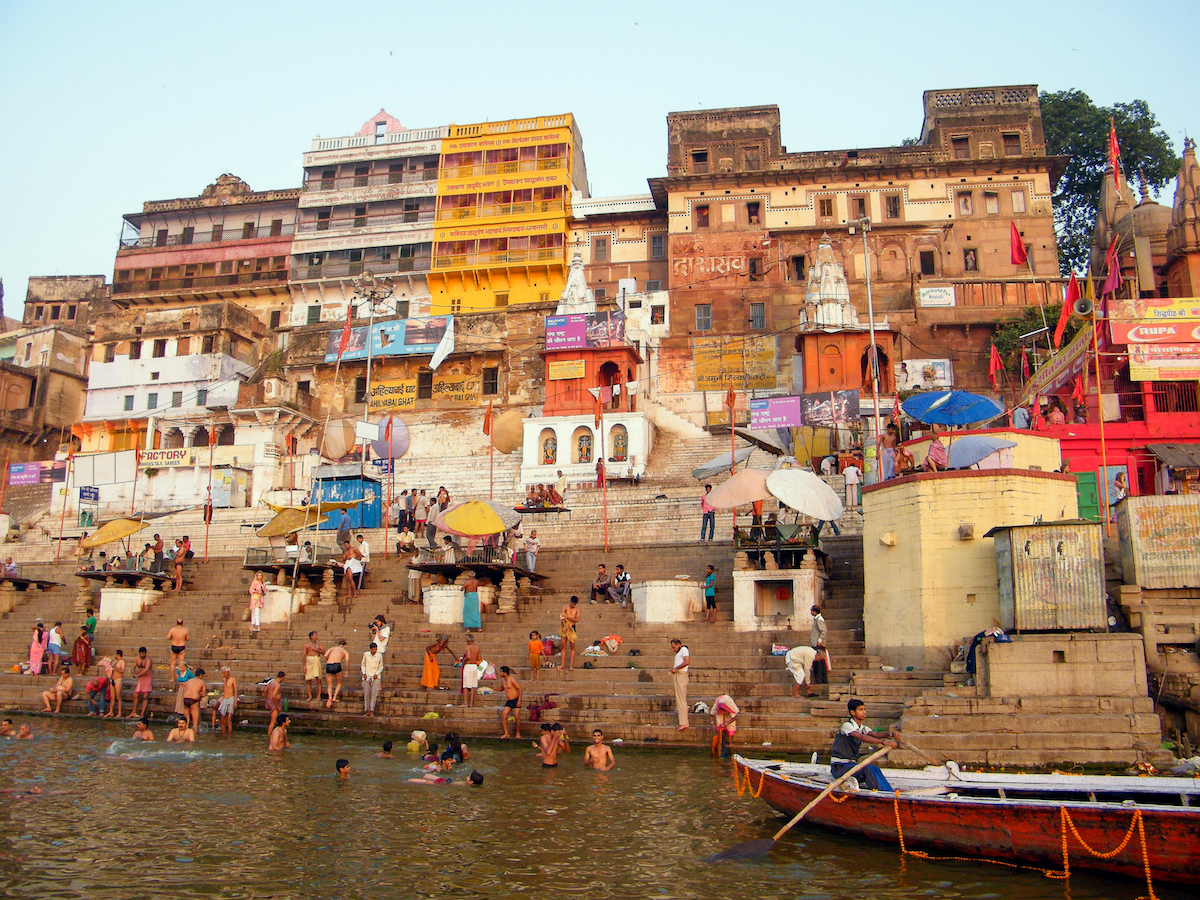
India has a rich history and a vibrant cultural heritage that can be seen in every corner of the country. From the majestic Taj Mahal and the majestic forts of Rajasthan to the ancient temples of Varanasi, countless iconic landmarks showcase India’s past.
With over 5,000 years of recorded history, India has played host to a hugely diverse tapestry of civilizations, each leaving its own marks on the country and its people.
The magnificent Taj Mahal stands as a testament to the Mughal era’s architectural brilliance, while the ruins of Hampi offer a glimpse into the ancient Vijayanagara Empire.
But it’s not just about the monuments – India’s culture and traditions are deeply ingrained in everyday life. The country’s rich culture shines through its festivals, such as Diwali and Holi, where vibrant colours and traditions come alive.
The country’s cuisine, art, music, and dance further showcase its cultural richness. You’ll be immersed in a world of sensory overload, constantly amazed (and occasionally overwhelmed) by the beauty and diversity of this incredible country.
2. Vast Natural Landscapes
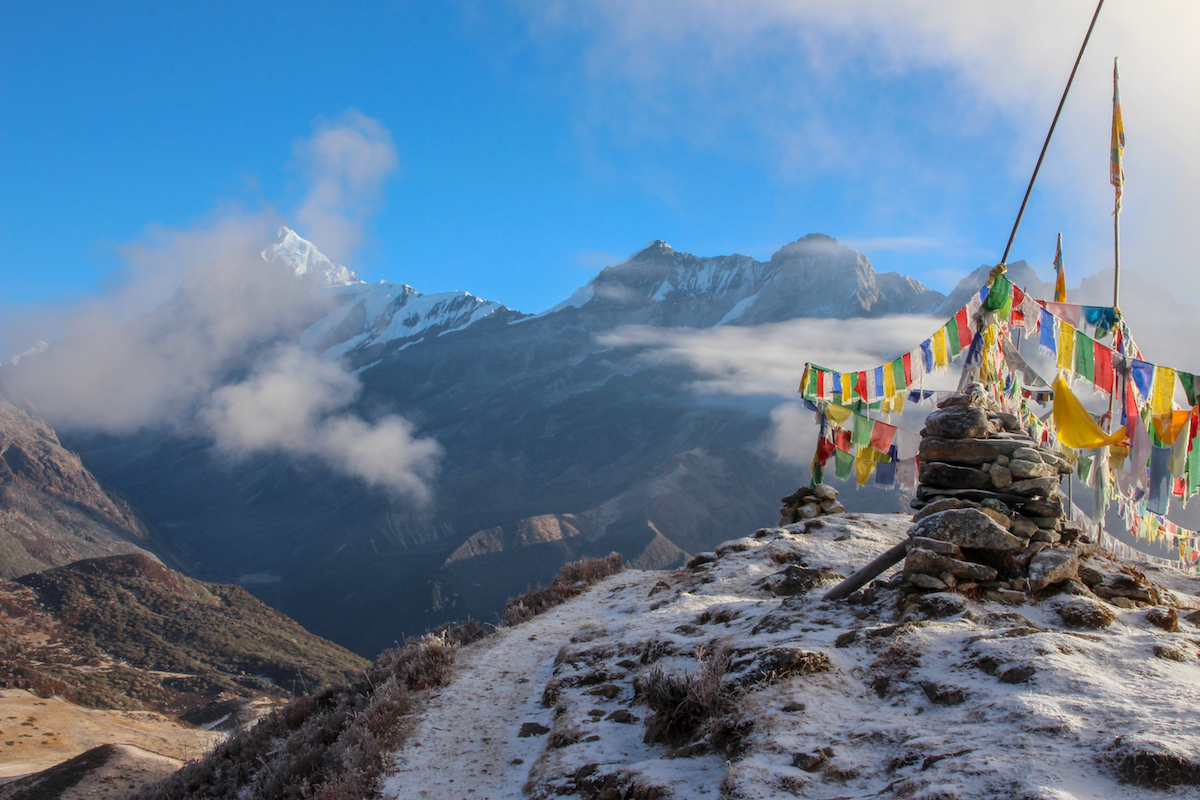
India is home to some of the most breathtaking natural landscapes in the world.
The country has an unbelievably wide range of scenery, from the majestic Himalayas, with their epic snow-capped peaks, idyllic valleys, and picturesque hill stations, to the enchanting tropical beaches that line its vast coastline.
Trek through the mountains of Sikkim or the lush forests of Meghalaya, or relax on the pristine beaches of Goa. Marvel at the awe-inspiring mountainscapes of Ladakh or float along the tranquil backwaters of Kerala.
There’s no shortage of natural beauty in India. You’ll be left speechless by the country’s incredible landscapes.
3. Exquisite Cuisine
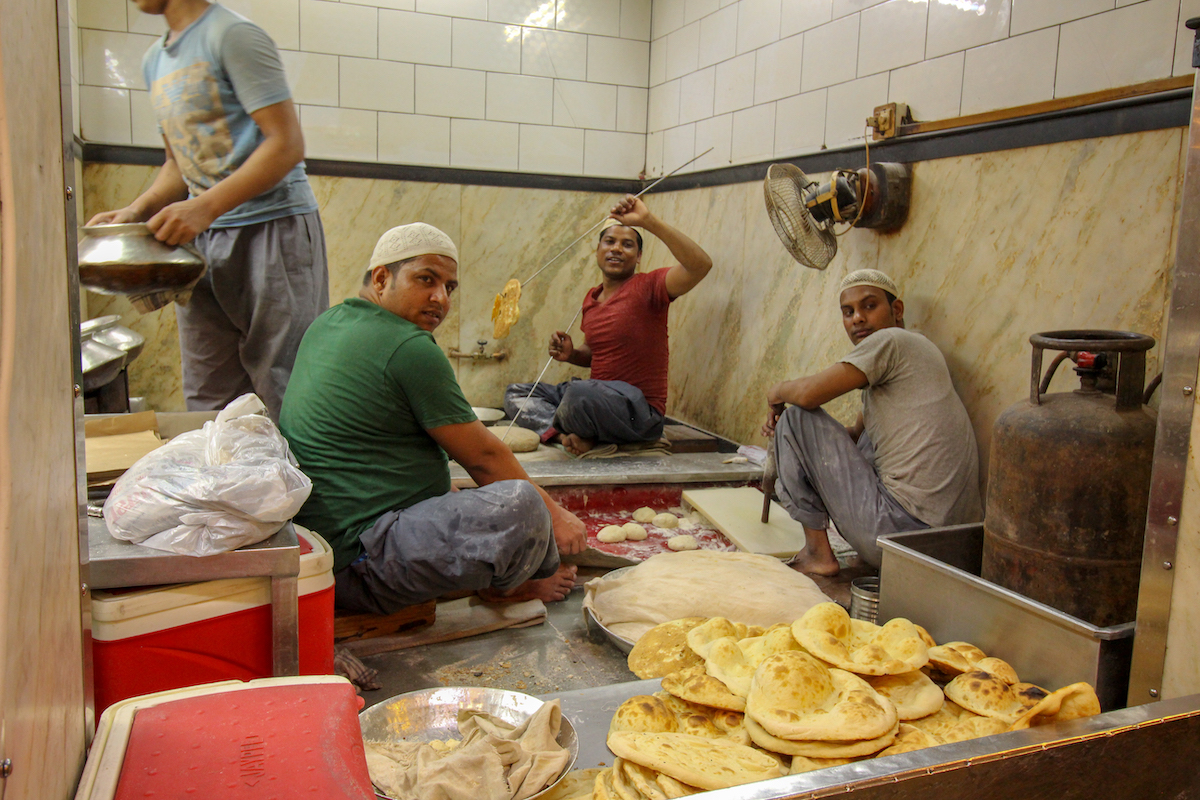
For me, the food is one of the very best things about visiting India. Food is an integral part of Indian culture, and every meal is a feast for the senses.
With its wide-ranging geography and cultural influences, Indian cuisine is as varied as it is delicious. Eating in India will tantalize your taste buds in a way unlike almost anywhere else.
From rich curries to spicy street food, each region in India has its own unique culinary offerings. Feast on the mouth-watering chaat in Delhi, the succulent seafood in Kerala, or the delectable biryanis of Lucknow.
The blend of spices, herbs, and local ingredients creates an unparalleled symphony of tastes. Travelling to India is a culinary adventure that will leave you craving for more.
4. Vibrant Festivals and Traditions
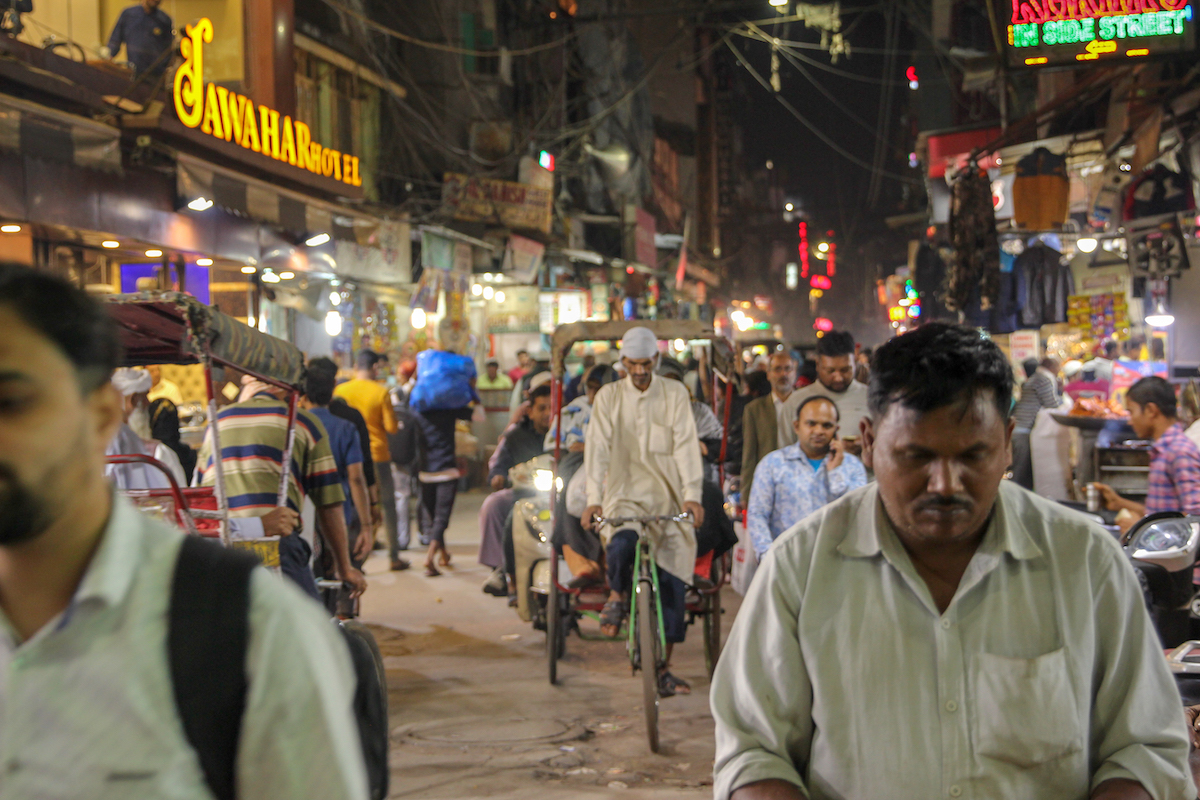
Festivals are a major feature of the Indian calendar. Whatever time of year you visit, there’s always something to celebrate.
Be it Diwali, the festival of lights, or Holi, the vibrant celebration of colours – festivals in India are a spectacle to behold. Witness the country come alive with music, dance, and celebrations that will leave you mesmerized.
But it’s not just about the big festivals. There are so many everyday traditions and customs that make India a truly unique destination.
From morning chai rituals to grand wedding ceremonies, visiting India is a unique opportunity to experience and learn about the country’s rich cultural heritage firsthand.
5. Spectacular Wildlife
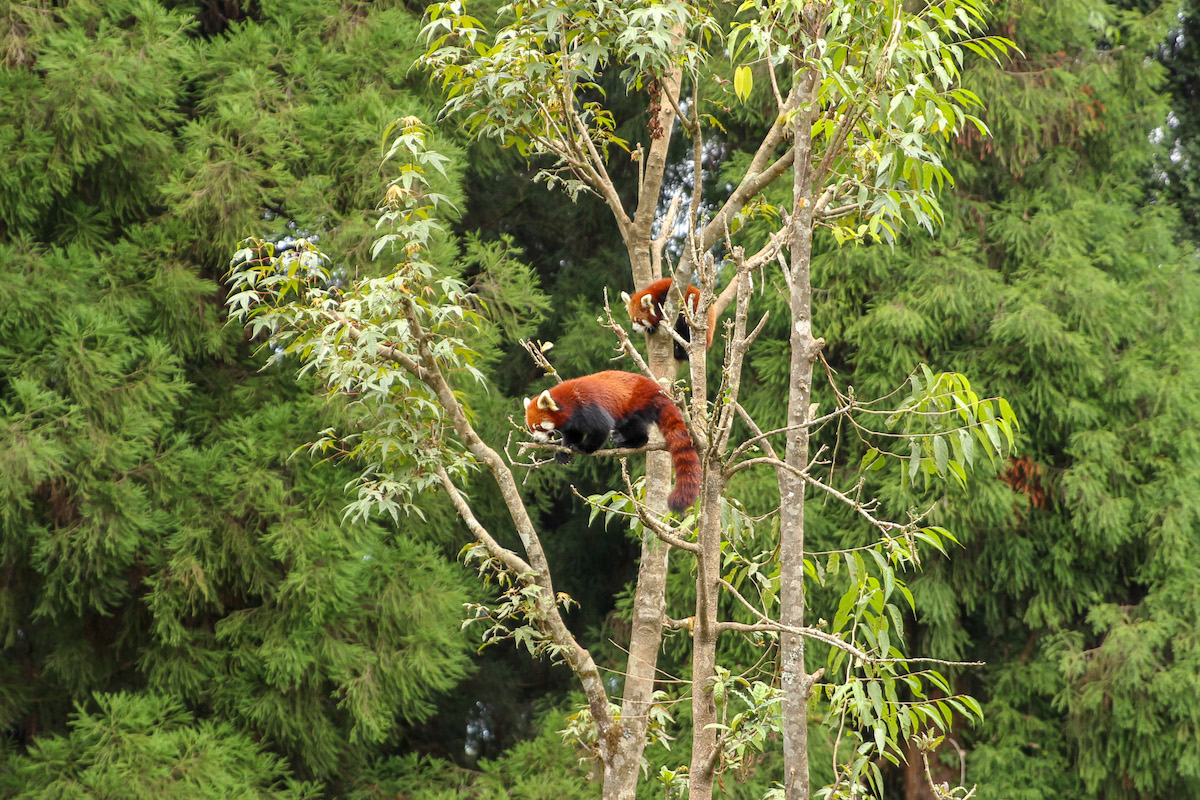
India is a land of rich biodiversity, boasting an incredible array of wildlife and nature reserves. You can explore lush jungles, spot rare birds, and witness big cats in their natural habitat.
Take a jeep safari to spot mighty Bengal Tigers in the Sundarbans or Ranthambore National Park. Go searching for the shy, elusive, and impossibly cute red pandas in the eastern Himalayas.
Marvel at the majestic rhinos and elephants of Kaziranga. Go hiking after snow leopards in Hemis National Park in Ladakh. Or visit a turtle sanctuary on the coast.
India’s national parks and nature reserves are home to an astonishing range of spectacular and rare species
6. Spiritual and Wellness Retreats
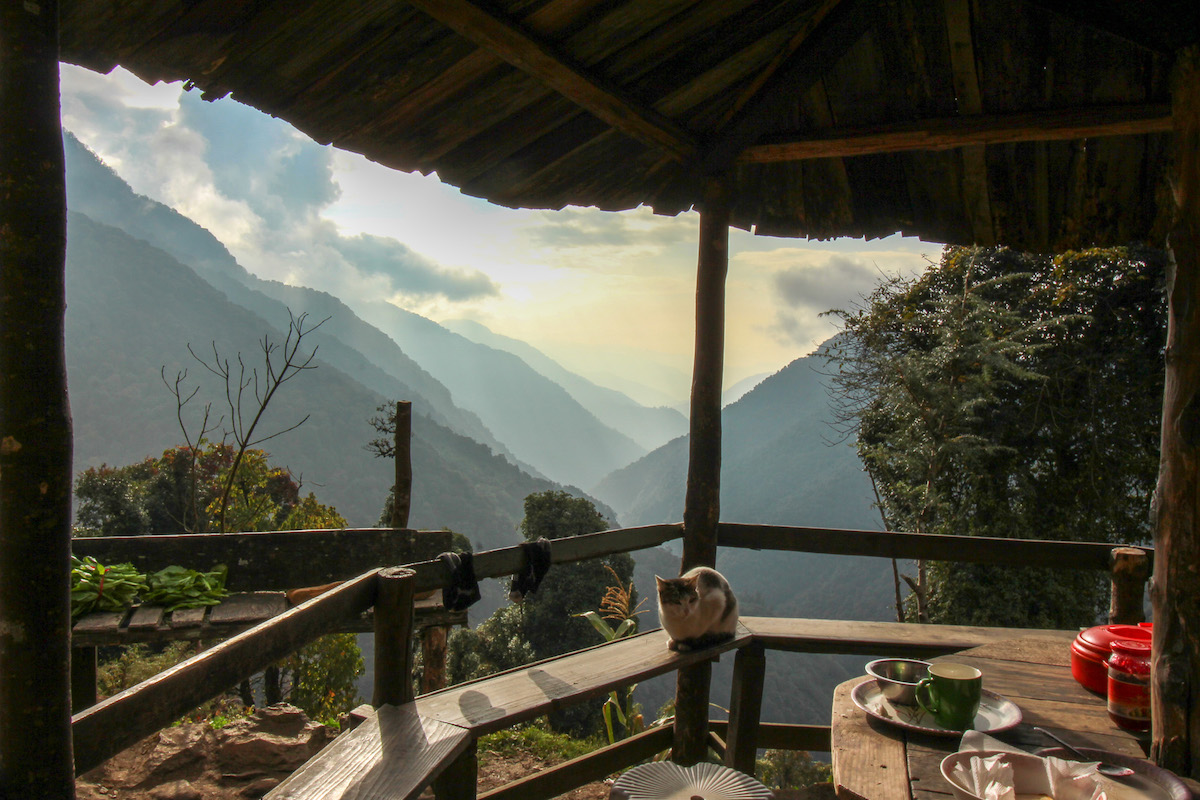
In addition to its diverse landscapes and cultural heritage, India is known as the birthplace of yoga and Ayurveda – ancient practices that promote physical and emotional well-being.
Whether you’re a beginner or an experienced yogi, India offers a wealth of retreats and centres for spiritual rejuvenation. From ashrams in Rishikesh to serene beach resorts in Kerala, there’s no shortage of options for those seeking inner peace and wellness.
Southern India is also home to Ayurvedic treatments, a holistic approach to health and well-being. Indulge in massages, detoxifying rituals, and herbal remedies that have been practised for thousands of years.
For many people, travelling to India is a transformative experience for the mind, body, and soul.
7. Budget-Friendliness

Travelling to India is much more affordable than many other countries, making it an attractive option for budget-conscious travellers.
Accommodation, food, and transport costs are all relatively low here compared to other destinations. Your money goes much further in India, which helps you experience more of what the country has to offer.
Most destinations offer a wide range of accommodation options from budget-friendly hostels to luxurious resorts. There’s something for every budget in India.
And with an extensive network of trains, buses, and flights connecting the country, it’s easy and affordable to explore several regions on the same trip.
Final Thoughts
India is a treasure trove of diverse culture, breathtaking landscapes, mouth-watering cuisine, vibrant traditions, unique wildlife, and transformative experiences.
A journey through India is a chance to explore a world that’s rich in history, beauty, and spirituality.
So, pack your bags for 2024, prepare to step out of your comfort zone, and get ready to create unforgettable memories in this incredible country.
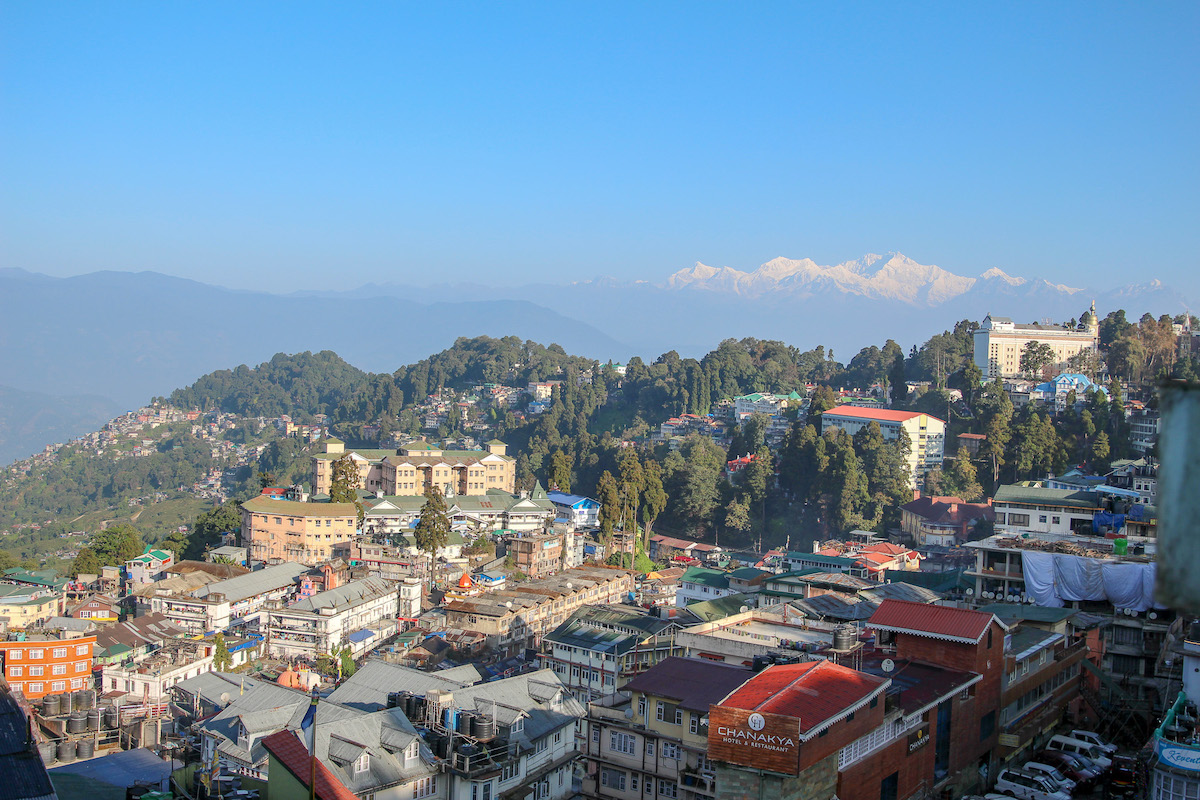
Additional Information on Visiting India
India Travel Tips:
- Most of India is generally safe for tourists, although it’s still wise to be cautious, especially in crowded areas (and when crossing the street!).
- Don’t drink the tap water.
- Hindi and English are widely spoken in many places.
- But, India is a hugely diverse country with more than 100 languages spoken across its different regions. Learning a few local phrases can enhance your experience considerably.
- India has an extensive public transport network, but it’s essential to plan your routes and book tickets in advance, especially for long train journeys.
Best Time to Visit India:
- The best time to visit India depends on the region and your preferences.
- Winter (December to February) is pleasant for most parts of the country, while summer (May to September) can be scorching in some areas.
- Large areas of India also experience the summer monsoon from June to September.
- Spring (March–April) and autumn (October–November) are generally the best times for trekking in the mountains, although this does vary somewhat by region.
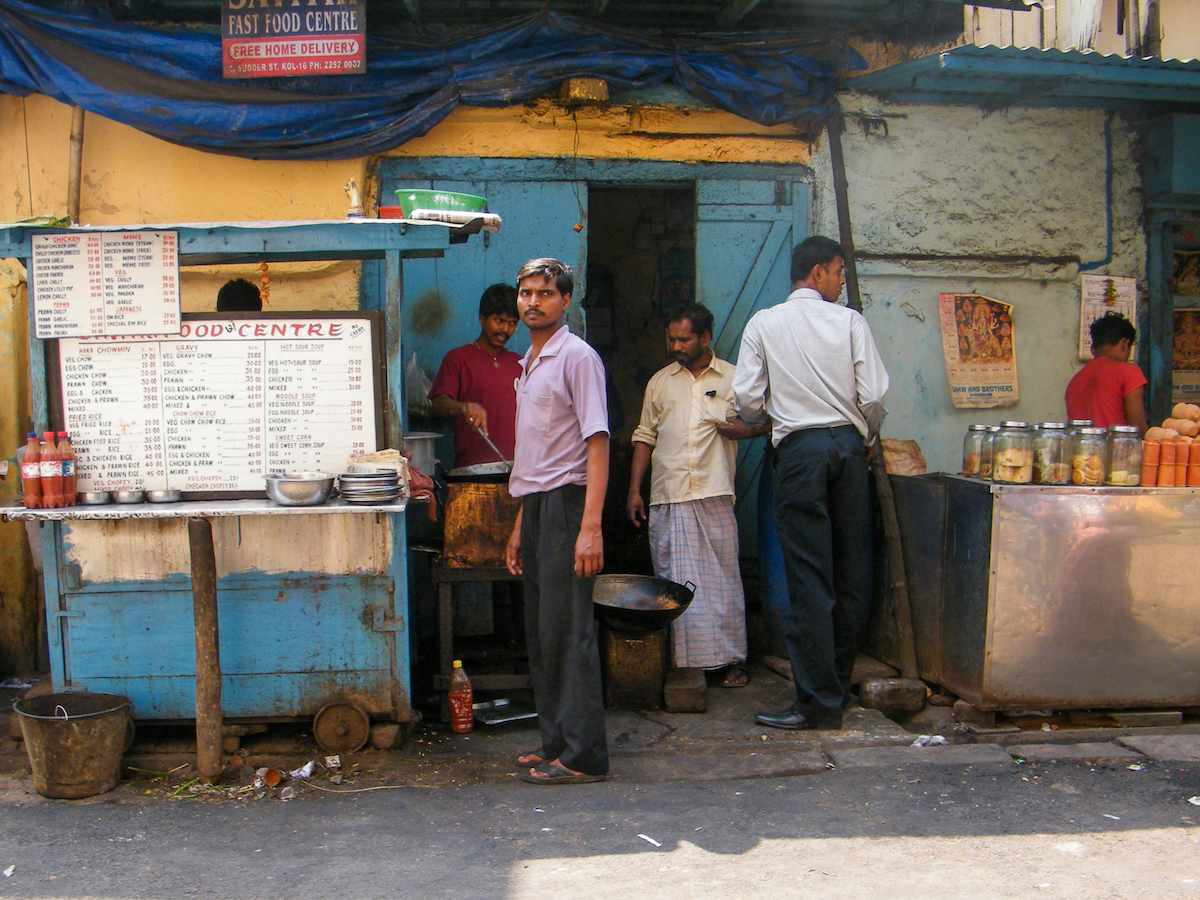
Top Destinations to Visit:
- Delhi: The capital of India, known for its historic sites, bustling markets, and delicious street food.
- Agra: Home to the iconic Taj Mahal, one of the most famous landmarks in the world.
- Jaipur: The “Pink City” with beautiful palaces, forts, and vibrant bazaars.
- Kolkata: A timeless and vibrant city filled with culture, history, and quirky charm.
- Kerala: A serene southern state known for its backwaters, lush greenery, and relaxing houseboat trips.
- Goa: Famous for its beautiful beaches, vibrant nightlife, and Portuguese-influenced architecture.
- Sikkim: My favourite Indian state, perched high in the Himalayas between Nepal, Bhutan, and Tibet.
- Rajasthan: Explore the rich heritage of this colourful state with its desert landscapes, majestic forts, and vibrant culture.


